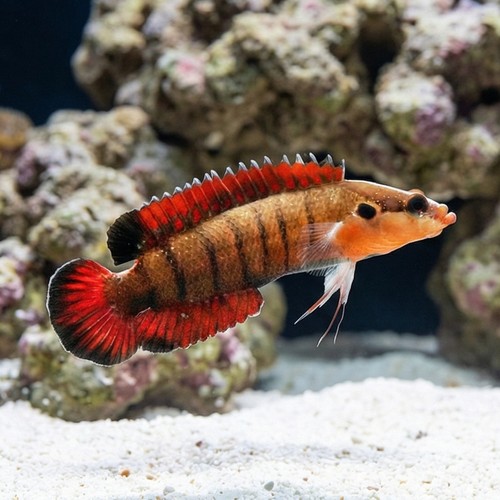
Basslets For Sale
Add to Waiting List
Size:
Status: Currently out of stock
Customer Details
Please confirm your name and email address below. We will contact you via email as soon as this product is available.
Basslets In Saltwater Aquariums: FAQ
Basslets are small, colorful reef-safe fish that add vibrant personality to saltwater aquariums. Beloved for their striking colors, compact size, and peaceful nature, they’re ideal for both beginner and experienced hobbyists. Most species stay under 3 inches long, making them perfect for nano reefs or community tanks. Basslets are hardy, reef-safe, and easy to care for, provided they have stable water conditions and plenty of rockwork for shelter.
Most popular basslets for home aquariums:
1. *Royal Gramma (Gramma loreto)
Instantly recognizable for its bright purple front half and golden-yellow tail.
Peaceful, reef-safe, and perfect for smaller tanks (minimum 30 gallons).
Native to the Caribbean and among the easiest basslets to keep.
Ideal for beginners, feeds readily on frozen and pellet foods.
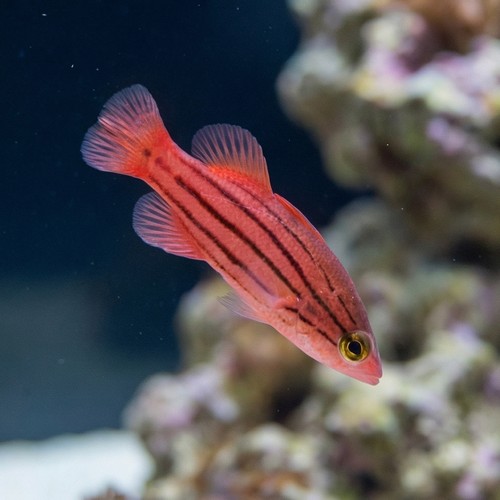
2. Swissguard Basslet (Liopropoma rubre)
Deep red-orange stripes with bold black accents and white fins.
Shy but hardy; loves caves and rock crevices.
Peaceful and completely reef-safe, an elegant choice for mixed reefs.
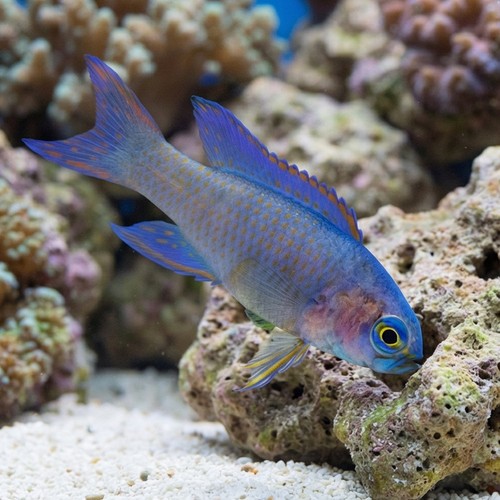
3. *Blackcap Basslet (Gramma melacara)
Vibrant magenta body with a distinctive black “cap” marking on its head.
Slightly more territorial than the Royal Gramma but stunning in well-structured tanks.
Prefers moderate lighting and plenty of rockwork for hiding.
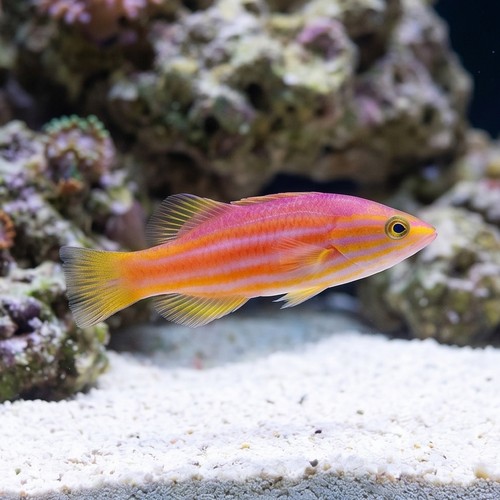
4. *Swales Swissguard Basslet (Liopropoma swalesi)
Compact, hardy, and reef-safe; displays alternating orange and magenta striping.
Peaceful with tankmates, though it may guard its cave or favorite spot.
5. Chalk Bass (Serranus tortugarum)
Unique light-blue and orange barring; peaceful, social, and often kept in small groups.
Excellent for nano and mid-sized reefs; active swimmer that thrives in stable water.
Why aquarists love basslets:
Small, hardy, and full of color.
Peaceful and reef-safe, posing no threat to corals or invertebrates.
Thrive in tanks with rockwork and moderate flow.
Feed easily on brine shrimp, mysis, and marine pellets.
One Saltwaterfish.com reviewer of the Royal Gramma shared: “Arrived healthy, doing well, it’s a beautiful fish.*”
Bottom line:
The most popular basslets for saltwater aquariums include the Royal Gramma, Swissguard, Blackcap, Swales Swissguard, and Chalk Bass, all reef-safe, brilliantly colored, and easy to care for. Whether you’re new to reefkeeping or adding to a mature display, these fish bring life and personality to any system. Explore Saltwaterfish.com’s full basslet collection for healthy, aquacultured options, all backed by our 8-Day Live Guarantee for confident, reef-safe success.
Basslets are small, active carnivores that thrive on consistent, high-quality feeding routines. In a healthy reef or community aquarium, these fish should be fed once or twice per day, depending on tank maturity and available natural food sources. Frequent, smaller meals more closely mimic their wild feeding behavior, where they graze on zooplankton and tiny crustaceans throughout the day.
Ideal feeding frequency and portions:
1–2 times daily: Offer small, varied meals rather than one large feeding.
Portion size: Feed only what they can consume within 1–2 minutes to avoid waste and nutrient buildup.
Days per week: Daily feeding is best, though mature tanks with strong pod populations can support light, alternate-day schedules.
Best foods for basslets:
Frozen mysis shrimp, brine shrimp, or plankton for protein and enrichment.
High-quality marine pellets or flakes like New Life Spectrum or Hikari Marine.
Occasional treats like finely chopped seafood or live copepods.
Enrich foods with vitamins or garlic supplements to boost color and immunity.
Feeding behavior by species:
Royal Gramma: Bold and active eater; accepts most prepared foods.
Swissguard Basslet & Swales Swissguard: Slightly shy at first, target feed near their cave until they adjust.
Blackcap Basslet: Prefers small, frequent meals to maintain energy and color.
Chalk Bass: Social feeder; thrives with consistent, moderate feedings.
One Saltwaterfish.com reviewer of the Harlequin Bass shared: “A gorgeous healthy Harlequin Bass. Arrived quickly and adapted quickly. Likes to hang out with my Mimic Tang. I purchased three different species and everyone is doing well\!”
Pro feeding tips:
Vary textures and protein sources to keep fish engaged.
Use feeding clips or pipettes to deliver food near hiding spots for shy individuals.
Maintain clean filtration, frequent feedings mean slightly higher nutrient load.
- Avoid overfeeding; excess food can spike nitrates and dull colors.
Bottom line:
Feed your basslet small amounts once or twice a day, offering a variety of frozen and pellet foods for balanced nutrition. A consistent, diverse diet keeps basslets vibrant, active, and long-lived. Explore Saltwaterfish.com’s basslet collection for healthy, well-conditioned fish, each backed by our 8-Day Live Guarantee for thriving, reef-safe success.
Basslets are among the longest-living small reef fish when properly cared for, with lifespans averaging 5 to 8 years in home aquariums, and some individuals living over a decade in stable, well-maintained systems. Their longevity depends heavily on water quality, diet, and stress levels, as these colorful reef fish thrive best in clean, consistent environments with plenty of rockwork for shelter and territory.
Average aquarium lifespans by species:
Royal Gramma (Gramma loreto): 6–8 years; hardy and peaceful, ideal for new reef keepers.
*Blackcap Basslet (Gramma melacara): 5–7 years; slightly more territorial but resilient when housed properly.
*Swissguard Basslet (Liopropoma rubre): 6–8 years; thrives in mature reefs with caves and low stress.
*Swales Swissguard (Liopropoma swalesi): 5–6 years; small but robust with proper diet and water quality.
*Chalk Bass (Serranus tortugarum): 8–10 years; known for exceptional hardiness and group compatibility.
What impacts lifespan:
Water stability: Basslets require salinity between 1.024–1.026, temperature 75–78°F, and pH around 8.1–8.4. Sudden fluctuations shorten lifespan.
Diet quality: A varied, protein-rich diet of frozen mysis, brine shrimp, and pellets ensures strong immune function and color retention.
Tankmates and space: Peaceful companions and ample hiding spots prevent stress-related illnesses.
Tank maturity: Basslets do best in established aquariums (6+ months old) with balanced microbiomes.
Maintenance: Regular water changes (10–15% weekly) and low nitrate levels (\<20 ppm) are key for long-term health.
One Saltwaterfish.com reviewer of the Swissguard Basslet shared: “Beautiful Swissguard Basslet swims in out of the rock formation in the saltwater fish tank. Healthy and energetic after acclimation.”
Pro care tips for longevity:
Provide caves and overhangs to mimic natural reef shelter.
Feed small, frequent meals, avoid overfeeding.
Keep lighting moderate; basslets prefer shaded areas.
Quarantine new arrivals before introduction to prevent parasites.
Bottom line:
With stable water, balanced feeding, and low-stress tankmates, basslets can live 5–8 years or more, making them one of the most durable and rewarding small fish for reef aquariums. For healthy, well-conditioned basslets like the Royal Gramma or Swissguard Basslet, shop Saltwaterfish.com’s basslet collection, each backed by our 8-Day Live Guarantee for confident, long-term success.
When shopping for a basslet, it’s important to look for signs of alertness, color, and steady swimming. A healthy basslet should appear confident, responsive, and show no visible damage or irregular breathing. Because these small reef fish often hide in rockwork, observing subtle details can help ensure you’re choosing a strong, well-conditioned specimen that will thrive in your aquarium for years.
Signs of a healthy basslet:
Bright, even coloration: Vibrant purple, orange, or magenta tones without pale or patchy areas.
Clear eyes: Eyes should be bright, symmetrical, and free from cloudiness or swelling.
Active but calm behavior: Healthy basslets hover near rock crevices, occasionally darting out to feed or explore. They shouldn’t hover near the surface, gasp, or hide constantly.
Full fins with no tears: Frayed fins, white edges, or torn membranes can indicate past stress or infection.
Normal respiration: Breathing should be slow and steady; rapid gill movement may signal ammonia exposure or disease.
Healthy appetite: A strong basslet will respond to offered food such as frozen mysis or brine shrimp.
Smooth scales: No raised scales, lesions, or discoloration on the body.
Behavior cues to watch for in stores or shipments:
Royal Grammas often hang upside-down under rock ledges. This is normal behavior, not illness.
Blackcap Basslets may appear shy at first but should still display full coloration and controlled swimming.
Chalk Bass are social and usually hover mid-water or near rock clusters in small groups.
Warning signs of poor health:
Faded or blotchy color, clamped fins, or excessive hiding.
White spots (indicative of ich) or frayed tails.
Lethargy or refusal to eat after several feeding attempts.
One Saltwaterfish.com reviewer of the Blackcap Basslet shared: “The Blackcap Basslet was received in great shape and has added life to my saltwater aquarium. Thanks.”
Pro tips when buying:
Buy from trusted suppliers that quarantine and hand-inspect livestock.
Avoid tanks showing visible algae buildup or dead livestock, these signal poor system maintenance.
Ask what the fish has been eating; a fish already eating frozen or pellet foods adapts faster.
- Observe the fish for several minutes before purchase to confirm consistent behavior.
Bottom line:
A healthy basslet should be bright, active, and responsive, with steady breathing and strong color. Choosing a well-conditioned specimen from a trusted source dramatically improves long-term success. For healthy, quarantined basslets like the Royal Gramma, Blackcap Basslet, or Swissguard Basslet, explore Saltwaterfish.com’s basslet collection, each backed by our 8-Day Live Guarantee for confident, reef-safe arrivals.

Basslets, like the Royal Gramma, Swissguard Basslet, and Blackcap Basslet, are hardy and adaptable reef fish, but they still need a slow, careful acclimation process to avoid stress and shock. A proper acclimation routine helps your new basslet adjust to your tank’s temperature, salinity, and pH, setting it up for long-term health and a smooth transition into its new home.
Step-by-step guide to acclimating a new basslet:
Float the sealed bag (15–20 minutes)
Place the unopened shipping bag in your aquarium or sump to match water temperature.
Keep the bag away from bright lights or strong flow during this step to prevent overheating or stress.
Open the bag and transfer the fish to a clean container
Pour the fish and its shipping water into a small bucket or specimen container.
Never add store or shipping water directly to your tank, it may contain waste or pathogens.
Start a slow drip acclimation (30–45 minutes)
Use airline tubing or a drip acclimation kit to slowly add tank water (2–4 drops per second).
When the volume doubles, discard half and repeat the process once more.
This allows your basslet to gradually adjust to your aquarium’s chemistry and salinity (1.024–1.026).
Net and transfer carefully
Use a small net to gently move the basslet into the tank.
Avoid exposing the fish to air for long periods.
Turn off bright lights for the first few hours to reduce stress.
Dim lighting and observe
Keep the lights low for 12–24 hours to help the fish settle.
Basslets often hide in rockwork during the first day, this is completely normal.
Avoid aggression and overfeeding
If introducing to an established tank, rearrange rockwork slightly to break up territories.
Offer a small amount of food after several hours to test appetite and reduce stress.
Research in marine aquaculture and ornamental fish physiology has shown that gradual acclimation dramatically improves early survival. For instance, Lim et al. (2003) found that reef fish acclimated over 45–60 minutes with controlled salinity adjustment exhibited significantly higher post-transfer survival compared to those introduced abruptly.
One Saltwaterfish.com reviewer of the Royal Gramma shared: “Royal Grandma's arrived quickly. A week later, and they are active and friendly. Very happy with the new members of my tank.”
Pro acclimation tips:
Maintain temperature around 75–78°F throughout acclimation.
Never mix store water with your display tank.
Avoid netting the fish excessively. Gentle handling prevents fin damage.
Keep the tank lid secure. Basslets may jump if startled.
- Quarantine new arrivals for 2–3 weeks if adding to a mature reef system.
Bottom line:
Acclimate your new basslet slowly and gently, a 30–45 minute drip method followed by low light and calm conditions works best. Taking your time ensures a smooth transition, reduces stress, and sets the foundation for long-term health. For well-conditioned, hand-inspected basslets ready to thrive, explore Saltwaterfish.com’s basslet collection, each backed by our 8-Day Live Guarantee for stress-free, healthy arrivals.
Basslets are considered one of the best small reef fish for home aquariums because they combine beauty, hardiness, and peaceful temperament. These compact, brightly colored fish bring vivid personality to reef systems without disturbing corals or invertebrates. Their adaptability, size, and gentle nature make them a top choice for aquarists at every experience level.
Why basslets thrive in reef environments:
Reef-safe and non-aggressive: Basslets don’t nip at corals, clams, or shrimp, making them perfect for peaceful community setups.
Compact and hardy: Most stay under 3 inches and tolerate a wide range of stable reef parameters.
Low bioload: Their small size means they don’t heavily impact nutrient levels, which helps maintain coral health.
Rockwork dwellers: They naturally inhabit reef crevices, adding movement and life to mid and lower tank zones.
Bright, contrasting colors: From the Royal Gramma’s purple-and-yellow split to the Blackcap’s magenta hues, their coloration complements coral fluorescence beautifully under LED or T5 lighting.
Low maintenance: They eat readily and adapt to frozen or pellet foods, making feeding effortless for new reef keepers.
One Saltwaterfish.com reviewer of the Yellow Assessor shared: “I've had Yellow Assessor \- Australia for about a week and he's doing great. For the first few days I didn't see him at all, but now he makes appearances pecking at algae and darting in and out of the rocks and caves. Nice colors and appears healthy.”
Pro reefkeeping tips:
Provide caves or shaded rock structures to mimic natural reef hiding spots.
Keep only one basslet per tank unless it’s a large aquarium (55+ gallons) with multiple territories.
Maintain stable reef parameters: salinity 1.024–1.026, temperature 75–78°F, pH 8.1–8.4.
Offer a balanced diet of mysis, brine shrimp, and marine pellets to enhance color and immunity.
Bottom line:
Basslets make excellent additions to reef aquariums because they’re small, hardy, reef-safe, and brilliantly colored. Their peaceful behavior, adaptability, and natural compatibility with corals make them one of the most rewarding fish to keep. For healthy, hand-inspected basslets, explore Saltwaterfish.com’s live basslet collection, each backed by our 8-Day Live Guarantee for confident, reef-safe success.
Basslets are small carnivorous reef fish that thrive on a varied, high-protein diet. In the wild, they hunt tiny crustaceans, zooplankton, and other microfauna among coral reefs. In captivity, they adapt readily to prepared foods but perform best when offered a mix of frozen, live, and pellet options that mimic their natural diet.
Best foods for basslets in a saltwater aquarium:
Frozen mysis shrimp: The gold standard for daily feeding, nutrient-dense and easy to digest.
Enriched brine shrimp: A favorite for finicky eaters or new arrivals; use as a supplement rather than a staple.
High-quality marine pellets or flakes: Choose brands like New Life Spectrum, Hikari Marine, or Ocean Nutrition for consistent nutrition.
Finely chopped seafood: Scallop, shrimp, clam, or squid provide variety and enrichment.
Copepods or live plankton: Especially beneficial for shy or newly introduced basslets that may not take to pellets right away.
Vitamin-enriched frozen blends: Products containing garlic or spirulina support immune health and coloration.
Feeding schedule:
Feed 1–2 times daily in small portions.
Offer a mix of frozen and pellet foods throughout the week.
Target-feed shy basslets near their cave using a turkey baster or feeding pipette.
Signs of proper nutrition:
Bright, consistent coloration.
Steady activity and appetite.
Rounded belly (not sunken) and smooth fins.
A study in Aquaculture (Tacon & Metian, 2015) found that small marine carnivores maintained optimal coloration and immune response when fed diets containing around 40–50% marine protein enriched with omega-3 fatty acids, precisely what mysis shrimp and premium marine pellets provide.
One Saltwaterfish.com reviewer of the Tobacco Basslet shared: “Very nice reef fish. Tobacco Basslet cleans detritus in the live rock. Doesn't intrude on the reef. Easy keeper.”
Pro feeding tips:
Rotate between at least three different food types weekly to prevent dietary boredom.
Avoid overfeeding; uneaten food can quickly elevate nitrates.
For new arrivals, start with frozen mysis to stimulate appetite before introducing pellets.
Soak food in vitamin supplements (like Selcon or Vita-Chem) for added immune support.
Bottom line:
The best diet for saltwater basslets is protein-rich and varied, emphasizing frozen mysis, marine pellets, and occasional live foods. Consistency and diversity keep these colorful reef fish thriving for years. Explore Saltwaterfish.com’s basslet collection for healthy, well-conditioned specimens, each backed by our 8-Day Live Guarantee, ensuring your fish arrive ready to eat and flourish in your reef system.
Basslets are generally peaceful reef fish, but like many territorial species, they can show mild aggression toward fish of similar size, color, or shape especially when space is limited. In most aquariums, their aggression is minimal and easily managed with thoughtful tank planning. Basslets make excellent community members in reef systems with plenty of rockwork and clearly defined territories.
Understanding basslet behavior:
In the wild, basslets like the Royal Gramma, Swissguard Basslet, and Blackcap Basslet live among coral crevices where they guard small patches of reef from intruders. This instinct carries into captivity, where they may briefly chase newcomers or defend their favorite cave. However, once territories are established, they typically coexist peacefully.
Common behavior patterns:
Royal Grammas are peaceful and compatible with nearly all reef-safe tankmates. They may defend their cave but rarely injure others.
Blackcap Basslets can be slightly more assertive; they do best as single specimens unless in large aquariums (55+ gallons).
Swissguard and Swales Basslets are shy and tend to ignore other fish entirely.
Chalk Bass are among the most social, they can even be kept in small groups if introduced together.
Best tankmates:
Clownfish, gobies, dartfish, blennies, tangs, and peaceful wrasses make excellent companions.
Avoid housing with other basslets, dottybacks, or similarly colored cave dwellers in small tanks.
One Saltwaterfish.com reviewer of the Lantern Basslet shared: “got two of these guys for my 75 and love them. They were eating immediately "thawed brine" and have tons of personality. Not bashful in the least.”
Pro tips for peaceful coexistence:
Provide ample rockwork and caves to define territories.
Avoid introducing multiple basslets in smaller tanks.
Add the basslet after more timid species have settled in.
Maintain water stability, stress can heighten territorial behavior.
Bottom line:
Basslets are peaceful, reef-safe fish that may show mild territorial behavior but rarely cause harm. With enough space and structure, they integrate beautifully into mixed reef communities. For vibrant, healthy basslets like the Royal Gramma or Swissguard Basslet, explore Saltwaterfish.com’s live basslet collection, each backed by our 8-Day Live Guarantee for stress-free, reef-safe success.
Basslets are small, reef-safe fish known for their compact size and vivid color, making them perfect for nano reefs and community aquariums. Most species remain between 2 to 4 inches long at full maturity, though growth rates and final size can vary by species, diet, and tank conditions. Their modest size, paired with their hardy nature, is one of the main reasons basslets are among the most popular saltwater fish for home aquariums.
Average adult sizes of popular basslet species:
Royal Gramma (Gramma loreto): 3 inches – Compact and peaceful; thrives in tanks 30 gallons and up.
*Blackcap Basslet (Gramma melacara): 3–4 inches – Slightly larger and more territorial; needs 40+ gallons.
*Swissguard Basslet (Liopropoma rubre): 3 inches – Slender, secretive, and reef-safe.
*Swales Swissguard Basslet (Liopropoma swalesi): 2.5–3 inches – Small, hardy, and perfect for moderate-sized reefs.
*Chalk Bass (Serranus tortugarum): 3 inches – Hardy and social, often kept in small groups in 55+ gallon tanks.
Factors affecting basslet growth:
Diet quality: High-protein diets (frozen mysis, brine shrimp, marine pellets) promote steady growth and strong coloration.
Tank size and space: Adequate room and rockwork reduce stress, supporting healthy development.
Water quality: Stable conditions (salinity 1.024–1.026, temp 75–78°F, pH 8.1–8.4) are crucial for proper metabolism.
Stress and competition: Peaceful tankmates and hiding places prevent stunted growth from stress.
One Saltwaterfish.com reviewer of the Royal Gramma shared: “My Royal Gramma arrived perfect and healthy. An absolutely beautiful fish. I'm totally happy with Saltwaterfish.com's service and fish.”
Pro care tips for healthy growth:
Feed small, protein-rich meals 1–2 times daily.
Avoid housing multiple basslets in smaller tanks; competition can inhibit growth.
Provide caves and shaded rockwork for natural grazing and shelter.
- Perform weekly partial water changes (10–15%) to maintain pristine conditions.
Bottom line:
Most basslets grow to 2–4 inches in captivity, making them ideal for small to medium reef aquariums. Their compact size, bright coloration, and peaceful demeanor make them a favorite among reef hobbyists. To find healthy, well-acclimated basslets, explore Saltwaterfish.com’s basslet collection, all backed by our 8-Day Live Guarantee for stress-free success.
Yes, basslets are completely reef safe, making them one of the most reliable and popular fish families for both new and experienced reef aquarists. These small, colorful carnivores are peaceful toward most tankmates and pose no threat to corals, clams, or invertebrates. Their size, temperament, and adaptability make them ideal for reef tanks ranging from 30 to 200 gallons.
Why basslets are considered reef safe:
No coral aggression: Basslets do not pick, nip, or graze on coral tissue.
Compatible with invertebrates: Safe with cleaner shrimp, snails, crabs, and ornamental starfish.
Low bioload: Their small size and moderate feeding habits produce minimal waste, helping maintain water quality for coral growth.
Stable reef behavior: They prefer rock crevices and shaded areas, rarely disturbing delicate coral structures.
Tank environment for reef safety:
Provide ample rockwork and caves for territory and security.
Maintain reef parameters: salinity 1.024–1.026, temperature 75–78°F, and pH 8.1–8.4.
Keep only one basslet per tank unless in large aquariums (55+ gallons).
Feed small, protein-rich meals (mysis, brine shrimp, pellets) once or twice daily.
One Saltwaterfish.com reviewer of the Royal Gramma shared: “Love this fish....arrived healthy and active. Colors are as nice as his attitude\!”
Pro reef-keeping tips:
Introduce basslets after corals are established to reduce initial shyness.
Avoid overly aggressive tankmates like large wrasses or dottybacks.
Offer shaded hiding areas to mimic natural reef crevices.
Keep lighting moderate, basslets prefer dim zones beneath coral overhangs.
Bottom line:
Basslets are 100% reef safe, beautifully compatible with corals and invertebrates, and add constant color and charm to any reef setup. They’re low-maintenance, hardy, and visually stunning, ideal for reef aquarists of all skill levels. Discover healthy, hand-inspected species in Saltwaterfish.com’s basslet collection, each backed by our 8-Day Live Guarantee for confident, reef-safe success.
Basslets (family Grammatidae) are small, colorful, and hardy saltwater fish prized for their bold personalities and reef-safe behavior. Popular species such as the Royal Gramma Basslet and Swissguard Basslet are ideal for both beginner and experienced aquarists , provided they’re paired with compatible tankmates.
Ideal tankmates for Basslets:
Peaceful reef fish: Clownfish, gobies, dartfish, chromis, and firefish are excellent companions. They share similar temperaments and occupy different areas of the tank.
Cleaner species: Cleaner Shrimp and small hermit crabs coexist beautifully, adding movement and utility.
Small wrasses and blennies: Active but non-aggressive species, such as Six Line Wrasses or Tailspot Blennies, help maintain a balanced community.
Reef-safe invertebrates: Snails, feather dusters, and coral polyps are safe, as Basslets are strictly carnivorous and do not harm corals or inverts.
Tankmates to avoid:
Large or aggressive fish such as triggers, lionfish, or dottybacks may harass or eat Basslets.
Multiple Basslets of the same or similar species in small tanks, they can become territorial, especially in aquariums under 50 gallons.
Field studies of reef fish communities show that Gramma loreto (Royal Gramma) prefers shaded reef crevices and coexists peacefully with species that do not compete for the same shelter (Thresher, 1984). This natural behavior translates well to aquariums with ample live rock and caves.
One Saltwaterfish.com reviewer of the Royal Gramma shared: “This is a beautiful fish. When it came in, I had my doubts. It played in the acclimation/qt tank for several hours. I added him and she promptly swam out of sight. Ten days later, it is nearing out of the rocks to grab flake and mysis shrimp. I think she will be OK”
Pro tips for harmony:
Provide rockwork with multiple hiding areas.
Introduce Basslets after more territorial species have settled.
- Feed a varied diet of mysis shrimp, plankton, and marine pellets to minimize food competition.
Bottom line:
Good tankmates for Basslets include peaceful reef fish like clownfish, gobies, and firefish, along with cleaner shrimp and small wrasses. Avoid aggressive or predatory species. With the right companions and plenty of rockwork, your Basslet will thrive as a stunning, reef-safe addition, backed by Saltwaterfish.com’s trusted 8-Day Live Guarantee.