Corals are incredible animals that are comprised of many small and sometimes large colonies of individual polyps. Coral reefs can be found in all of the tropical oceans of the world. These reefs provide shelter and food for most marine animals in the entire ecosystem. Corals are usually very bright in color, allowing similar colored fish and invertebrates to be easily camouflaged. Corals are identified by several categories, including SPS (Small Polyp Stony), LPS (Large Polyp Stony), Soft Corals, Zoanthids, …
Read more
Corals are incredible animals that are comprised of many small and sometimes large colonies of individual polyps. Coral reefs can be found in all of the tropical oceans of the world. These reefs provide shelter and food for most marine animals in the entire ecosystem. Corals are usually very bright in color, allowing similar colored fish and invertebrates to be easily camouflaged. Corals are identified by several categories, including SPS (Small Polyp Stony), LPS (Large Polyp Stony), Soft Corals, Zoanthids, Gorgonians, Mushrooms, and "Frags"(fragments of larger coral colonies). Close
Sub-Categories
Saltwater Corals for Sale
Corals are some of the most beautiful and fascinating animals in the saltwater aquarium hobby. Although they may look like plants or colorful decorations, corals are living animals made up of individual polyps. These polyps may form small colonies, large colonies, branching structures, encrusting mats, soft waving growths, or colorful individual heads depending on the coral species.
At Saltwaterfish.com, you can shop a wide selection of saltwater corals for sale, including SPS corals, LPS corals, soft corals, zoanthids, mushroom corals, gorgonians, coral frags, aquacultured corals, beginner corals, and WYSIWYG corals. Corals add color, texture, movement, and natural reef structure to a saltwater aquarium, making them one of the most rewarding additions to a reef tank.
In nature, coral reefs are found throughout tropical oceans and provide shelter, food, and habitat for countless marine fish and invertebrates. In the home aquarium, corals help create the appearance and feel of a living reef. Some corals are known for bright colors and dramatic growth forms, while others are prized for movement, unique patterns, or rare collector appeal.
Before choosing corals for your aquarium, it is important to consider lighting, water flow, placement, temperament, growth rate, water quality, calcium and alkalinity needs, and compatibility with nearby corals. Some corals are hardy and beginner-friendly, while others require mature reef systems, stable water chemistry, stronger lighting, or more experienced care.
Saltwaterfish.com inventory updates in real time, and new marine life may be added throughout the day. Check this section often for new corals, coral frags, aquacultured corals, WYSIWYG corals, beginner corals, and rare reef aquarium pieces.
Whether you are starting your first reef tank or adding a centerpiece coral to an established aquarium, Saltwaterfish.com makes it easy to find beautiful corals for your saltwater aquarium.
Popular Types of Saltwater Corals
Saltwater corals are commonly grouped into several major categories. Each type has different care needs, growth patterns, lighting requirements, and placement considerations.
SPS Corals
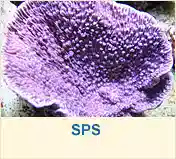
SPS corals, or Small Polyp Stony corals, are hard corals with small polyps and calcium-based skeletons. Many SPS corals are known for branching, plating, or encrusting growth forms. Popular SPS corals may include Acropora, Montipora, Birdsnest, Stylophora, and Pocillopora.
SPS corals often require stable water quality, strong lighting, good water flow, and consistent calcium, alkalinity, and magnesium levels. They are popular with experienced reef keepers who want colorful growth and structure in their reef aquarium.
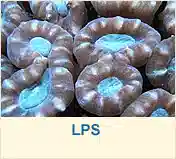
LPS Corals
LPS corals, or Large Polyp Stony corals, are hard corals with larger fleshy polyps. Many LPS corals are prized for their movement, color, and dramatic shapes. Popular LPS corals may include Torch corals, Hammer corals, Frogspawn corals, Acan corals, Brain corals, Chalice corals, Duncan corals, and Favia corals.
LPS corals often do well with moderate lighting and moderate water flow, depending on the species. Some have sweeper tentacles and should be placed with enough space from nearby corals.
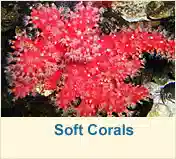
Soft Corals
Soft corals do not build the same hard calcium skeletons as stony corals. Many are known for flowing movement, hardiness, and adaptability. Popular soft corals may include Leather corals, Xenia, Kenya Tree corals, Colt corals, and other soft reef corals.
Soft corals are often good choices for newer reef keepers because many species are hardy and forgiving. They can add natural motion and texture to a saltwater aquarium.
Zoanthids
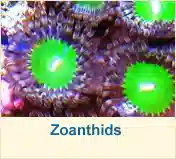
Zoanthids, often called zoas, are colorful colonial polyps that grow in mats or clusters. They are popular because of their wide range of colors, patterns, and relatively manageable care requirements.
Zoanthids can be excellent corals for many reef tanks, but they should be handled carefully and kept under appropriate aquarium conditions.
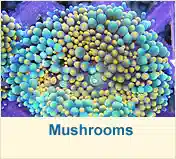
Mushroom Corals
Mushroom corals are popular soft-bodied corals known for their rounded shapes, vivid colors, and hardy nature. They may include Discosoma, Ricordea, Rhodactis, and other mushroom varieties.
Mushrooms are often good choices for lower-flow areas and can be suitable for many beginner reef aquariums.
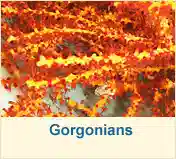
Gorgonians
Gorgonians are branching corals that can add height, texture, and natural reef structure to an aquarium. Some gorgonians are photosynthetic, while others require specialized feeding. Care requirements vary significantly by species.
Coral Frags
Coral frags are smaller pieces or fragments of larger coral colonies. Frags are popular because they allow hobbyists to grow corals over time, often at a lower starting price than larger colonies.
Coral frags may include SPS frags, LPS frags, soft coral frags, zoanthid frags, mushroom frags, and aquacultured coral frags.
Choosing the Right Coral for Your Reef Tank
Choosing the right coral depends on your aquarium setup, experience level, lighting, flow, water chemistry, and long-term goals. When selecting corals, consider:
Lighting: Some corals require high-intensity reef lighting, while others prefer lower or moderate light.
Water flow: SPS corals often need stronger flow, while many LPS and soft corals prefer moderate or gentler movement.
Placement: Corals should be placed where they receive the right light and flow for their needs.
Aggression: Some corals have sweeper tentacles or chemical defenses and need space from other corals.
Growth rate: Fast-growing corals may need trimming or extra space.
Care level: Some corals are beginner-friendly, while others are best for experienced reef keepers.
Water chemistry: Stony corals often require stable calcium, alkalinity, and magnesium levels.
A well-planned coral selection helps create a healthier, more attractive, and more stable reef aquarium.
Beginner Corals for Saltwater Aquariums
Many new reef keepers start with hardy corals that can tolerate normal aquarium learning curves. Beginner-friendly corals often include certain soft corals, mushroom corals, zoanthids, green star polyps, leather corals, and some LPS corals.
Good beginner corals are typically adaptable, less demanding, and easier to place in a range of reef aquarium conditions. Even hardy corals still require stable salinity, temperature, lighting, water flow, and water quality.
Aquacultured Corals and Coral Frags
Aquacultured corals are grown, propagated, or fragged in controlled aquarium or aquaculture systems instead of being newly collected from wild reefs. These corals are often well adapted to aquarium lighting, water flow, and captive reef conditions.
Choosing aquacultured corals and coral frags helps support a more sustainable reef aquarium hobby. Aquacultured coral frags also give hobbyists the opportunity to grow corals over time and build a reef tank responsibly.
Saltwater Corals: FAQ
Corals are living marine animals made up of individual polyps. Despite their plant-like appearance, they're closely related to anemones and jellyfish — not to plants or rocks.
Key facts about corals:
Built from polyps — single units that may live alone or form large colonies
Many house symbiotic algae (zooxanthellae) that provide energy through photosynthesis
Hard corals build calcium skeletons — the foundation of natural reef structures
Soft corals lack hard skeletons — moving with water flow instead
In reef aquariums, corals add color, texture, movement, and natural reef structure
Bottom line: Corals are animals — and treating them as animals (not decorations) is the first step toward keeping them successfully.
Saltwater aquarium corals fall into several broad categories, each with distinct care needs, growth patterns, and visual appeal.
The main types of saltwater corals:
SPS corals — Small Polyp Stony, branching and demanding
LPS corals — Large Polyp Stony, fleshy and dramatic
Soft corals — no hard skeleton, often hardy and flowing
Zoanthids (zoas) — colorful colonial polyps in mats
Mushroom corals — rounded, soft-bodied, often beginner-friendly
Gorgonians — branching corals with vertical structure
Coral frags — small fragments of larger colonies
Each category has different lighting needs, flow preferences, and growth habits, which is why a well-planned reef typically mixes several types based on tank conditions.
Bottom line: Understanding the major categories is the foundation of every successful reef stocking plan.
SPS stands for Small Polyp Stony coral. These corals have small polyps and hard, calcium-based skeletons that form branching, plating, or encrusting structures.
What defines SPS corals:
Small polyps on hard calcium carbonate skeletons
Build reef structure over time as they grow
Common genera include Acropora, Montipora, Birdsnest, Stylophora, and Pocillopora
SPS corals typically require:
Strong reef lighting — often high-output LED or T5
Strong, turbulent water flow
Very stable water chemistry — calcium, alkalinity, and magnesium especially
Low nutrient levels for best color and growth
Bottom line: SPS corals reward experienced reef keepers with vivid colors and impressive growth — but only in mature, stable systems.
LPS stands for Large Polyp Stony coral. These corals have hard calcium skeletons like SPS, but with much larger, fleshier polyps that often extend dramatically into the water column.
Popular LPS corals include:
Torch corals — flowing, tentacle-rich polyps
Hammer corals — distinctive hammer-shaped tips
Frogspawn corals — clusters of branching polyps
Acan corals — colorful fleshy polyps with strong color variation
Moderate lighting and moderate flow work for most species
Many have sweeper tentacles — give them space from neighbors
More forgiving than SPS for newer reef keepers
Bottom line: LPS corals are a great middle ground — dramatic visual appeal with care requirements that most reef tanks can meet.
Soft corals are corals that don't build large hard calcium skeletons like SPS and LPS. Instead, they have flexible bodies that sway naturally with water flow, adding movement and texture to a reef aquarium.
Popular soft corals include:
Leather corals — hardy, distinctive forms
Xenia — known for pulsing polyp movement
Kenya Tree corals — fast-growing and adaptable
Colt corals — soft, flowing branches
Green star polyps — encrusting mats with bright green polyps
Why soft corals appeal to many reef keepers:
Hardy and forgiving — good for newer aquarists
Adaptable to a range of lighting and flow conditions
Don't require stable calcium and alkalinity the way stony corals do
Add natural motion that stony corals don't provide
Bottom line: Soft corals are often the smartest starting point for new reef tanks — and they remain a beautiful part of advanced reefs too.
Coral frags are small fragments of larger coral colonies, typically mounted on a small disc or plug. They're a cornerstone of the modern reef aquarium hobby.
Why frags are popular:
Lower starting price than full-sized colonies
Grow over time into impressive display pieces
Easier to place — small footprint while you find the right spot
Wider variety at any given price point
More sustainable when aquacultured rather than wild-collected
Common frag types include:
SPS frags — Acropora, Montipora, Birdsnest, and similar
LPS frags — Torch, Hammer, Acan, Duncan, and others
Soft coral frags — leathers, Xenia, Kenya Tree
Zoanthid and mushroom frags — colorful and easy to mount
Aquacultured frags — captive-grown and reef-tank ready
Bottom line: Frags are how most modern reef tanks get built — start small, watch them grow, and propagate over time.
Beginner corals are usually hardy, adaptable, and less demanding in terms of lighting, flow, and water chemistry — perfect for new reef keepers still dialing in their systems.
Popular beginner-friendly corals:
Mushroom corals — tolerate lower flow and a range of lighting
Zoanthids — colorful, hardy, and easy to place
Leather corals — adaptable and forgiving
Green star polyps (GSP) — encrusting and fast-spreading
Xenia — pulsing motion and rapid growth
Kenya Tree corals — soft, flexible, and undemanding
Some easier LPS — Duncan corals and certain hammers
Even with hardy corals, you still need stable salinity, temperature, lighting, water flow, and water quality — there's no such thing as a coral that thrives in an unstable tank.
Bottom line: Start with hardy soft corals, mushrooms, and zoas. Build experience, then move on to LPS and eventually SPS as your system matures.
Yes. Most reef corals need appropriate aquarium lighting to survive, and many require strong reef lighting to truly thrive. Standard fish-tank lighting isn't enough.
General lighting requirements by coral type:
SPS corals — strong, high-PAR reef lighting (LED or T5)
LPS corals — moderate to moderately strong reef lighting
Soft corals — moderate lighting; many tolerate lower light
Zoanthids — moderate lighting; some prefer brighter spots
Mushroom corals — lower to moderate lighting
Clams (related care concern) — typically strong lighting
Corals use light through symbiotic algae (zooxanthellae) that convert light into energy via photosynthesis. Too little light means slow death; too much light can bleach corals.
Bottom line: Match your lighting to the corals you want to keep — and make sure each coral is placed in a spot that matches its individual light preferences.
Yes. Water flow is essential. It brings food and oxygen to corals, removes waste, prevents detritus accumulation, and keeps tissue healthy.
LPS corals — moderate flow; too much can damage fleshy polyps
Soft corals — moderate flow; many enjoy gentle pulsing currents
Zoanthids and mushrooms — generally prefer lower to moderate flow
Gorgonians — many need stronger flow for filter feeding
Signs of insufficient flow include closed polyps, detritus buildup on coral surfaces, and pale or sickly coloration. Signs of too much flow include torn tissue, retracted polyps, and corals that won't open.
Bottom line: Random, varied flow patterns mimic natural reefs better than constant directional currents. Adjust placement until each coral opens fully and looks happy.
Yes — most reef aquariums contain a mix of SPS, LPS, soft corals, zoanthids, mushrooms, and other types. But placement and spacing are critical, because corals compete with each other.
Common coral-on-coral conflicts:
Sweeper tentacles — many LPS extend long tentacles at night to sting neighbors
Chemical warfare — soft corals release compounds (allelopathy) that can suppress nearby corals
Shading — fast-growing corals can shade out slower-growing ones below
Overgrowth — encrusting corals can creep over and smother neighbors
Direct stinging — touching colonies often damage each other
Smart mixing strategies:
Leave space for each coral's adult size and reach
Use carbon to help control chemical compounds
Plan vertical arrangement — taller corals shouldn't shade lower ones
Separate aggressive species from peaceful ones
Bottom line: Mixing coral types is normal and rewarding — but always plan placement around their long-term growth, not their current size.
It depends on which corals — and on your aquarium. Some corals are genuinely beginner-friendly, while others demand experienced reef-keeping skills.
What determines coral-keeping difficulty:
Matching corals to your tank's lighting, flow, and stability
Stable salinity, temperature, alkalinity, calcium, and magnesium
Appropriate nutrient levels — not too high, not stripped to zero
Tank maturity — established tanks support more demanding corals
Your experience level with reef husbandry
General difficulty progression:
Easier: mushrooms, zoanthids, green star polyps, leathers, Xenia
Intermediate: most LPS — Duncans, hammers, frogspawn, torches
Advanced: SPS corals, demanding LPS, certain non-photosynthetic species
Bottom line: Coral keeping is as hard as the corals you choose. Match your livestock to your tank and your skill level, and most corals are achievable.
Corals get nutrition from two main sources: light (through symbiotic algae) and food they capture from the water. Most photosynthetic corals benefit from both.
Common coral food sources:
Light energy — via zooxanthellae for photosynthetic corals
Plankton — phytoplankton and zooplankton in the water column
Small meaty foods — mysis, brine, and coral-specific blends for LPS
Dissolved organic nutrients in the tank
Coral-specific foods — powdered or liquid formulations
Targeted feeding for non-photosynthetic species (some gorgonians, sun corals)
Feeding guidelines vary by coral type:
LPS often respond well to direct feeding with meaty foods
SPS rely heavily on light and dissolved nutrients
Soft corals mostly handle their own needs through photosynthesis
Bottom line: Most photosynthetic corals will live on light alone, but supplemental feeding often improves growth, color, and long-term health.
Yes — especially stony corals. SPS and LPS corals build their hard skeletons from calcium and carbonate, and they consume both from the water column as they grow.
Key reef chemistry parameters for stony corals:
Calcium — typically 400–450 ppm
Alkalinity — typically 8–11 dKH
Magnesium — typically 1,250–1,350 ppm (supports calcium and alkalinity balance)
Stable pH — generally 8.1–8.4
Stability matters more than perfect numbers — wild swings in alkalinity stress and damage corals more than parameters that sit slightly off the ideal range.
Ways to maintain these parameters:
Regular water changes with quality reef salt
Two-part dosing (calcium and alkalinity supplements)
Calcium reactors for larger SPS-dominant systems
Kalkwasser drip top-off in some systems
Bottom line: Soft corals and zoas are forgiving on chemistry; the moment you keep stony corals, calcium and alkalinity stability becomes a daily priority.
WYSIWYG stands for "What You See Is What You Get." A WYSIWYG coral listing shows a photo of the actual specific coral specimen or frag being sold — not a stock photo or representative image.
Why WYSIWYG matters to reef keepers:
You see exactly what you're buying — color, size, pattern, mounting
No surprises on arrival — the photo matches the specimen
Important for high-end corals where appearance varies significantly between specimens
Useful for collectors looking for specific morphs or named pieces
Non-WYSIWYG listings often use a representative photo because the specific specimen will vary — and that's fine for hardy, consistent species, but less ideal for prized pieces.
Bottom line: If a coral's individual coloration or pattern is what makes it special, WYSIWYG is the way to buy it.
Aquacultured corals are often an excellent choice because they're grown or propagated in controlled systems and are already adapted to captive reef conditions.
Advantages of aquacultured corals:
Pre-adapted to aquarium lighting — LED or T5 spectrums rather than full natural sun
Used to captive water flow from powerheads and wavemakers
Familiar with reef tank parameters — alkalinity, calcium, magnesium ranges
Lower acclimation stress than wild-collected specimens
More sustainable — reduces collection pressure on wild reefs
Predictable growth — characteristics often carry through from parent colonies
Choosing aquacultured corals also supports the continued growth of captive coral propagation, which is one of the most important developments in the reef hobby.
Bottom line: Whenever an aquacultured option is available for the coral you want, it's almost always the better choice.
Saltwaterfish.com inventory updates in real time, and new marine life may be added throughout the day as availability changes.
Check this category often for:
New corals and coral frags across all major types
WYSIWYG corals — specific specimens with their actual photos
Aquacultured corals — captive-grown and reef-ready
Beginner corals — hardy mushrooms, zoas, leathers, and easier LPS
SPS corals — Acropora, Montipora, Birdsnest, and more
LPS corals — Torch, Hammer, Frogspawn, Acan, Duncan, and others
Soft corals, zoanthids, mushrooms, and rare reef pieces
Bottom line: Bookmark the category and check back often — coral inventory shifts continuously as new frags and colonies arrive.