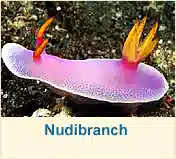
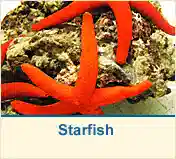
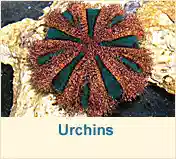
Invertebrates, also known as inverts, are a diverse group of animals that simply lack a back bone. They are found in all parts of the world and are well known for their scavenging skills as well as their filter feeding and "cleaning" abilities. While a Starfish or Sea Urchin may be easily recognized, Invertebrates include some very odd members, such as a Sea Apple or Nudibranch. Invertebrates are a necessary component as they remove debris, and absorb and filter minerals …
Read more
Invertebrates, also known as inverts, are a diverse group of animals that simply lack a back bone. They are found in all parts of the world and are well known for their scavenging skills as well as their filter feeding and "cleaning" abilities. While a Starfish or Sea Urchin may be easily recognized, Invertebrates include some very odd members, such as a Sea Apple or Nudibranch. Invertebrates are a necessary component as they remove debris, and absorb and filter minerals to keep a balanced environment.
Close
Sub-Categories
Saltwater Invertebrates for Sale
Saltwater invertebrates, often called marine inverts, are some of the most fascinating and diverse animals available for a saltwater aquarium. Unlike fish, invertebrates do not have a backbone. This broad group includes many popular aquarium animals such as shrimp, crabs, snails, starfish, sea urchins, sea cucumbers, feather dusters, clams, anemones, nudibranchs, and other unique marine invertebrates.
Invertebrates add color, movement, natural behavior, and biological diversity to reef tanks and saltwater aquariums. Some are valued for their beauty, some for their unusual behavior, and others for the important roles they play in a balanced marine environment. From ornamental shrimp and starfish to reef-safe snails, sea urchins, filter feeders, clams, and anemones, marine invertebrates can help make an aquarium feel more complete and natural.
At Saltwaterfish.com, you can shop a wide selection of saltwater invertebrates for sale, including reef-safe invertebrates, ornamental shrimp, hermit crabs, marine crabs, aquarium snails, starfish, urchins, feather dusters, nudibranchs, sea cucumbers, colorful anemones, and aquarium clams for reef tanks. Availability changes regularly, and new marine life may be added throughout the day as inventory updates in real time.
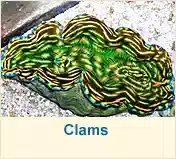
Saltwater clams are prized by many reef keepers for their color, pattern, and natural beauty. Aquarium clams can become striking reef display animals when kept under proper conditions, often requiring stable water quality, appropriate lighting, calcium, alkalinity, and trace element levels. Many clams are best suited for established reef aquariums with experienced care.
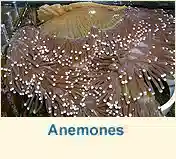
Saltwater anemones are popular invertebrates for reef aquariums, especially because some species may host clownfish. Anemones can add dramatic movement and color to a saltwater tank, but they also require careful placement, stable water parameters, suitable lighting, and good water flow. Because anemones can move, sting nearby corals, or require more mature systems, it is important to choose the right species for your aquarium.
Before adding invertebrates to your aquarium, it is important to consider reef compatibility, tank size, water quality, diet, temperament, care level, lighting needs, and sensitivity to medications or water-parameter changes. Some invertebrates are hardy and suitable for many reef aquariums, while others require mature systems, stable water chemistry, strong lighting, specialized feeding, or experienced care.
Whether you are adding movement to a reef tank, selecting an ornamental shrimp, choosing a starfish or urchin, looking for aquarium snails, adding a colorful anemone, or choosing a clam for a mature reef aquarium, Saltwaterfish.com makes it easy to find saltwater invertebrates for your system.
Why Add Invertebrates to a Saltwater Aquarium?
Marine invertebrates bring variety, function, and visual interest to saltwater aquariums. Many species behave very differently from fish, giving hobbyists the opportunity to observe unique feeding, movement, burrowing, filtering, grazing, and symbiotic behaviors.
Saltwater invertebrates may help add:
Color and movement to the aquarium
Natural reef behavior and biodiversity
Interest in the sand bed, rockwork, and water column
Filter-feeding activity in suitable systems
Algae grazing or scavenging depending on the species
Unique centerpiece animals such as anemones, clams, starfish, and urchins
A more natural and complete reef aquarium environment
A carefully chosen group of invertebrates can make a reef tank or saltwater aquarium more active, more natural, and more enjoyable to watch.
Reef-Safe Saltwater Invertebrates
Many saltwater invertebrates are suitable for reef aquariums, but not all inverts are reef safe. Reef-safe invertebrates are generally considered compatible with corals, live rock, and peaceful reef tank animals.
Common reef-safe invertebrates may include many ornamental shrimp, snails, small hermit crabs, feather dusters, certain starfish, some urchins, and select clams or anemones when kept under proper conditions. However, reef compatibility can vary by species and individual behavior.
Some crabs, starfish, nudibranchs, sea cucumbers, anemones, and urchins have special care requirements or may not be appropriate for every reef tank. Clams and anemones can be excellent additions to the right reef aquarium, but they often require stable water quality, proper lighting, and a mature system.
Always review the care details listed under each product description before adding any invertebrate to your aquarium.
Aquarium Clams for Reef Tanks
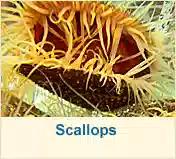
Saltwater clams are beautiful reef invertebrates known for their vivid colors, patterns, mantles, and natural filtration activity. Many reef hobbyists keep clams as display animals because they can become impressive focal points in a mature aquarium.
Aquarium clams generally do best in established reef tanks with stable water chemistry, proper lighting, and consistent calcium and alkalinity levels. Depending on the species, clams may require strong reef lighting, careful placement, and protection from fish or invertebrates that may nip at their mantle.
Clams can be rewarding additions for experienced reef keepers, but they should be selected carefully based on tank maturity, lighting, water quality, and long-term care needs.
Saltwater Anemones for Reef Aquariums
Saltwater anemones are popular marine invertebrates known for their flowing tentacles, vivid colors, and potential relationship with clownfish. Many hobbyists choose anemones as centerpiece animals because they bring movement and life to a reef aquarium.
Anemones require stable water conditions, appropriate lighting, proper water flow, and careful placement. Some anemones may move around the aquarium until they find a suitable location, and their sting can affect nearby corals or other animals. Because of this, anemones are often best for established aquariums rather than brand-new saltwater tanks.
When properly cared for, anemones can be one of the most dramatic and rewarding invertebrates in a reef aquarium.
Popular Types of Saltwater Invertebrates
Saltwater aquarium invertebrates include a wide variety of animals, each with different care needs, benefits, and compatibility considerations. Popular marine invertebrates may include:
Shrimp: Cleaner shrimp, peppermint shrimp, fire shrimp, pistol shrimp, and ornamental shrimp
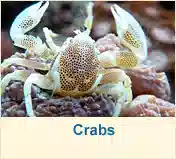
Crabs: Hermit crabs, emerald crabs, porcelain crabs, decorator crabs, and other marine crabs
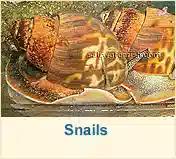
Snails: Turbo snails, nassarius snails, trochus snails, cerith snails, and other aquarium snails
Starfish: Sand-sifting starfish, serpent starfish, brittle stars, and ornamental starfish
Urchins: Algae-grazing sea urchins for established aquariums
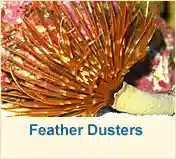
Feather Dusters: Filter-feeding worms that add movement and beauty
Clams: Colorful reef clams for mature aquariums with stable water quality and proper lighting
Anemones: Flowing reef invertebrates that may host clownfish and add dramatic movement
Nudibranchs: Specialized invertebrates with unique feeding requirements
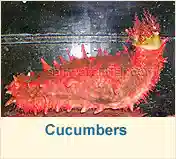
Sea Cucumbers: Sand-processing animals for mature aquariums
Because invertebrates vary widely in care level, diet, size, reef compatibility, lighting requirements, and sensitivity, it is important to choose species that match your aquarium and experience level.
Saltwater Invertebrates: FAQ
Saltwater invertebrates are marine animals without backbones. In the aquarium hobby, the term covers an enormous range of animals — far more diverse than the fish side of the tank.
Common saltwater invertebrate groups include:
Shrimp — cleaner, peppermint, fire, pistol, and other ornamental species
Crabs — hermit, emerald, porcelain, decorator, and many others
Snails — turbo, nassarius, trochus, cerith, and similar grazers
Starfish — serpent, brittle, sand-sifting, and ornamental varieties
Sea urchins — algae grazers for established systems
Bottom line: If it lives in saltwater and doesn't have a backbone, it's almost certainly an invertebrate — and it likely has a place in some style of marine aquarium.
The best invertebrates depend on your aquarium size, current livestock, reef setup, and experience level. There's no single "best" list — but there are reliable starting points.
Widely successful invertebrate choices include:
Ornamental shrimp — cleaner and peppermint shrimp are hardy and useful
Aquarium snails — turbo, trochus, nassarius, and cerith for algae and detritus control
Small hermit crabs — peaceful scavengers for the cleanup crew
Feather dusters — gentle filter feeders for added movement
Serpent and brittle stars — durable scavengers for most reef systems
Algae-grazing urchins — for established tanks needing more cleanup power
Clams and anemones — for experienced keepers with mature, stable reefs
Always choose animals that match your aquarium's conditions and care level — the most beautiful invertebrate fails fast in the wrong tank.
Bottom line: Start with hardy, reef-safe basics; add specialty inverts like clams and anemones once your system has matured.
No. Many invertebrates are considered reef safe, but some species can bother corals, eat small animals, move rockwork, or require very specialized care.
Common reef-safety concerns by group:
Some larger crabs may prey on snails, shrimp, or small fish
Certain starfish require specialized diets or may eat corals
Most nudibranchs have very narrow diets and rarely thrive long-term
Sea cucumbers can release toxins if stressed or killed in the tank
Some urchins may knock over loose corals or decor
Anemones can sting nearby corals and may roam until settled
Reef compatibility varies by species and even individual behavior, so generalizations only go so far.
Bottom line: Always review the care information for each specific invertebrate before adding it to a reef aquarium.
A wide range of invertebrates can thrive in reef aquariums, especially those that contribute to tank cleanliness or add visual interest without harming corals.
Reliable reef-tank invertebrate options include:
Ornamental shrimp — cleaner, peppermint, fire, and similar reef-safe species
Aquarium snails — for algae and detritus management
Small hermit crabs — peaceful scavengers for the cleanup crew
Feather dusters — gentle filter feeders
Certain starfish — serpent and brittle stars work well in most systems
Some urchins — algae grazers for mature tanks
Clams — for established reefs with strong lighting and stable chemistry
Anemones — for experienced keepers with mature systems
The right choice depends on tank size, lighting, water quality, existing livestock, and the specific care needs of each species.
Bottom line: Build out your reef invert population gradually, matching each addition to your tank's current conditions.
Yes — clams can be excellent additions to mature reef aquariums when their care requirements are met. They're prized for vivid mantle colors and natural filter-feeding behavior that adds life to a display tank.
What aquarium clams typically require:
Stable water chemistry — consistent salinity, pH, and trace elements
Appropriate reef lighting — most species rely on light for photosynthesis through symbiotic algae
Adequate calcium and alkalinity — needed for shell growth
Established tank conditions — generally not recommended for brand-new systems
Protection from nippy tankmates — some fish and crabs target mantle tissue
Clams are best suited for established reef tanks rather than new aquariums, where parameters have had time to stabilize.
Bottom line: If your reef is mature and dialed in, clams can become one of the most striking display animals you'll ever add.
Saltwater clams have specific requirements that go beyond the basics of a typical reef tank. Meeting all of them is what separates a thriving clam from a struggling one.
Core care requirements for aquarium clams:
Stable salinity — sudden swings can stress or kill clams quickly
Strong water quality — low nitrates, no ammonia or nitrite
Proper reef lighting — most clams depend on photosynthesis through zooxanthellae
Adequate calcium and alkalinity — for ongoing shell growth
Trace elements — magnesium, strontium, and iodine support long-term health
Careful placement — on sand or rockwork depending on species
Protection from nippers — fish, shrimp, or crabs that may target the mantle
Some species need stronger lighting than others, and placement should match each clam's individual light preferences.
Bottom line: Always review the specific care requirements for the clam species you're considering before purchase — small differences in lighting and placement can make or break long-term success.
Anemones can be beautiful and rewarding invertebrates for saltwater aquariums — especially established reef tanks where conditions have had time to stabilize.
What anemones need to thrive:
Stable water parameters — salinity, temperature, alkalinity, and nitrates all matter
Suitable lighting — most anemones rely on photosynthesis
Good water movement — but not so strong it damages tissue
Careful placement — anemones may roam until they find a spot they like
Mature tank conditions — generally not recommended for brand-new systems
Be aware: anemones can move around the tank and may sting nearby corals or get pulled into powerheads. Many keepers cover intakes specifically to protect roaming anemones.
Bottom line: With the right setup and a patient approach, anemones become some of the most dramatic and rewarding invertebrates in a reef tank — but they punish brand-new systems and unstable parameters.
No. Clownfish do not need an anemone to live in a saltwater aquarium. They're hardy, adaptable, and thrive in tanks without one.
That said, the relationship can be a memorable part of the hobby when it happens:
Some clownfish may host in certain anemones, creating a natural symbiotic relationship
Hosting is not guaranteed — it depends on the clownfish species, the anemone species, and individual behavior
Captive-bred clownfish often haven't seen an anemone and may never host one
Many clownfish will instead host in corals, frogspawn, hammer, or even decor
Keeping an anemone purely "for the clownfish" is generally not recommended — anemones have their own demanding care requirements, and your clownfish doesn't need one to live a full, healthy life.
Bottom line: Keep clownfish because you want clownfish. Keep an anemone because you want an anemone. If they pair up, that's a bonus.
Yes — many marine shrimp are excellent additions to saltwater aquariums. They add color, behavior, and useful activity, and many species are reef safe.
Popular saltwater aquarium shrimp:
Cleaner shrimp — entertaining behavior and may pick parasites from fish
Peppermint shrimp — known for sometimes eating nuisance Aiptasia anemones
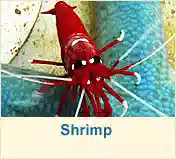
Fire shrimp — striking deep red color, more reclusive but rewarding
Pistol shrimp — famous for pairing with watchman gobies in symbiotic burrows
Other ornamental shrimp — adding diversity and visual interest
Some shrimp pair well with specific fish (the pistol shrimp / watchman goby relationship is one of the most enjoyable pairings in the hobby), while others are best kept on their own or with peaceful tankmates that won't view them as food.
Bottom line: Shrimp belong in almost every reef-safe tank — just confirm your fish stocking won't treat them as a snack.
Some starfish work well in reef aquariums, while others have specialized diets or care requirements that make them poor matches for newer or smaller systems.
Common starfish categories for reef aquariums:
Serpent stars — hardy scavengers that work well in most reef tanks
Brittle stars — similar to serpent stars, active and durable
Sand-sifting starfish — useful for cleaning sand beds, but may deplete beneficial microfauna over time
Ornamental starfish (Linckia, Fromia, etc.) — often beautiful but require mature systems and very stable parameters
Many ornamental starfish do best in established reef aquariums with plenty of natural food on the rocks and substrate. Smaller or younger systems often can't sustain their dietary needs.
Bottom line: Serpent and brittle stars are reliable starting points; save the showier ornamental species for mature reefs.
Sea urchins can be useful and interesting additions to established saltwater aquariums. Many are active algae grazers that move continuously across rockwork and glass.
What urchins bring to the tank:
Algae control — many species are voracious grazers
Constant movement — adding activity across rockwork and substrate
Unique behavior — decorating themselves with shells, rubble, or fragments
Reef compatibility — many species coexist well with corals and other inverts
Be aware of these considerations:
Some urchins may knock over loose corals or decor as they roam
Long-spined species can be hazardous to handle
Aquarium size matters — larger urchins need more grazing surface area
Bottom line: Urchins are a great choice for established reef tanks where their size and behavior fit the system — just make sure corals are well-secured.
Yes. Anemones are invertebrates — soft-bodied marine animals without a backbone.
Where anemones fit in the bigger picture:
Related to corals — both belong to the phylum Cnidaria
Share key features — stinging cells (nematocysts), a single body opening, and radial symmetry
Popular in reef aquariums — for color, movement, and potential clownfish hosting
Often photosynthetic — like many corals, they host symbiotic algae
The close relationship to corals is part of why anemones require similar lighting and water conditions to thrive.
Bottom line: Anemones are invertebrates and are essentially "free-moving relatives" of corals.
Yes. Many marine invertebrates are highly sensitive to changes in salinity, temperature, and water chemistry — significantly more so than most fish. Slow, careful acclimation isn't optional.
General invertebrate acclimation guidelines:
Drip acclimation over 1–3 hours is widely recommended
Match salinity precisely — even small swings can cause stress or death
Stabilize temperature by floating the bag before opening
Minimize air exposure when transferring delicate animals
Be especially careful with shrimp, snails, starfish, urchins, clams, and anemones
Rushing acclimation is one of the most common causes of early invertebrate loss — and the damage is often invisible until days later.
Bottom line: Take the extra time. A slow drip acclimation costs you a couple of hours and protects animals that can otherwise die within days of being added too quickly.
Yes — extremely. Many marine invertebrates are highly sensitive to copper, and even trace amounts can be lethal.
Important copper warnings for invertebrate keepers:
Never use copper-based treatments in tanks containing inverts, corals, or live rock
Copper persists — once it's in a tank with rock and substrate, it can be very difficult to fully remove
Tanks previously treated with copper may still be unsafe for invertebrates long after treatment ends
Some fish medications contain copper — always read labels carefully
Quarantine fish separately if copper treatment is needed
This is one of the most important rules in the saltwater hobby: copper and inverts do not mix.
Bottom line: If your display tank houses any invertebrates, corals, or live rock, treat all copper-based products as off-limits — period.
Invertebrate diets vary enormously by species. Some take care of themselves, while others have very specific feeding requirements.
Common saltwater invertebrate diet categories:
Algae grazers — many snails, urchins, and some crabs
Detritus feeders and scavengers — hermit crabs, some shrimp, serpent stars
Leftover food eaters — many reef-safe scavengers help clean up after feedings
Filter feeders — feather dusters, clams, some anemones — need plankton or similar in the water column
Meaty food eaters — many shrimp and crabs enjoy frozen mysis, brine, and prepared foods
Specialized feeders — nudibranchs often eat only one specific food source
Filter feeders, nudibranchs, clams, anemones, and some starfish may require very specific feeding conditions that not every tank can provide.
Bottom line: Always check the diet requirements for each invertebrate species before purchase — "they'll eat what's in the tank" is true for some inverts and dangerously wrong for others.
Yes — many invertebrates can be kept with saltwater fish, but compatibility matters enormously. Some fish view shrimp, crabs, snails, or clams as food.
Fish that often cause invertebrate problems:
Puffers — strong jaws crush shrimp, crabs, snails, and clams
Triggers — aggressive predators of most inverts
Many larger wrasses — hunt shrimp, snails, and small crabs
Hawkfish — known shrimp hunters
Predatory fish in general — including groupers, lionfish, and large angelfish
Fish that typically coexist well with inverts:
Clownfish, gobies, blennies, chromis, anthias, and most peaceful community species
Many smaller reef-safe wrasses like fairy and flasher varieties
Bottom line: Always research compatibility before mixing — losing a $40 cleaner shrimp to a hungry wrasse is a preventable mistake.
Saltwaterfish.com inventory updates in real time, and new marine life may be added throughout the day. There is no fixed "new arrival day" — fresh listings appear continuously as livestock is received and made ready for shipping.
Check this category often for:
New shrimp — cleaner, peppermint, fire, pistol, and ornamental varieties
Crabs, snails, and cleanup crew species
Starfish, urchins, and feather dusters
Anemones and clams as availability allows
Nudibranchs, sea cucumbers, and specialty inverts
Bottom line: Inventory shifts continuously — bookmark the category and check back often, especially for harder-to-find species that move quickly when they arrive.