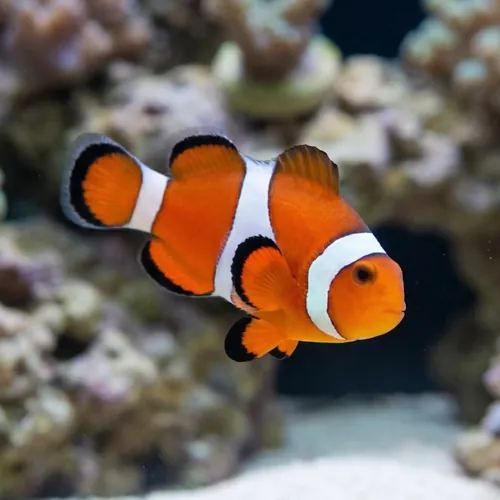
False Percula Ocellaris Clownfish - Captive Bred - QM Labs
Amphiprion ocellaris
(24 Reviews)
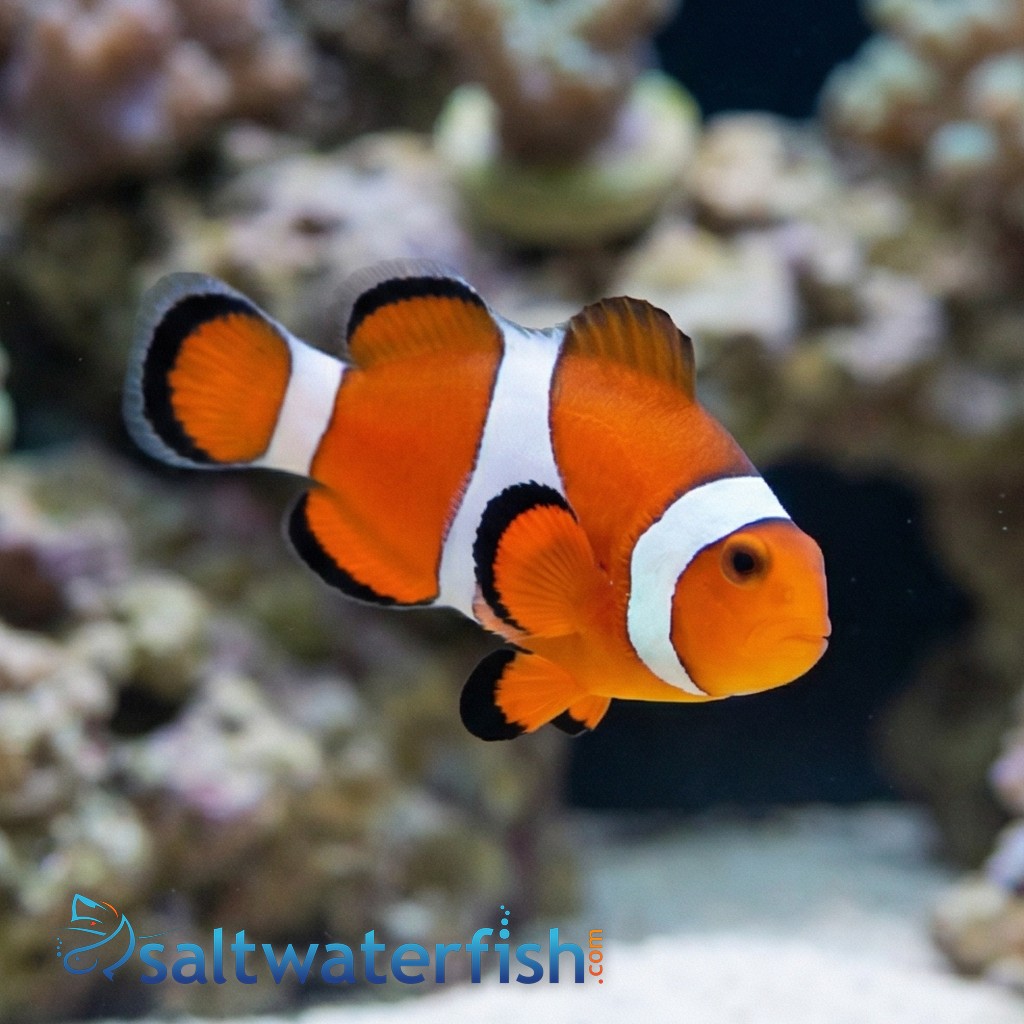
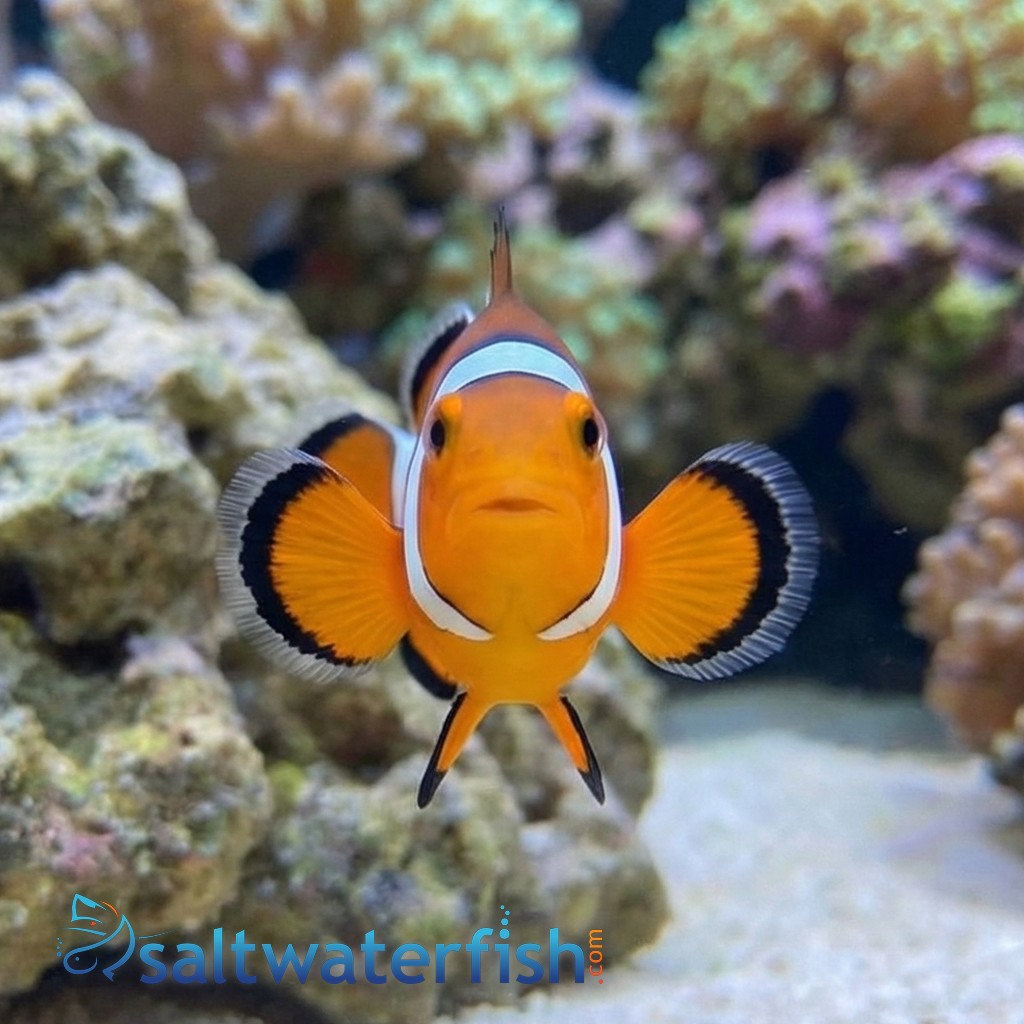
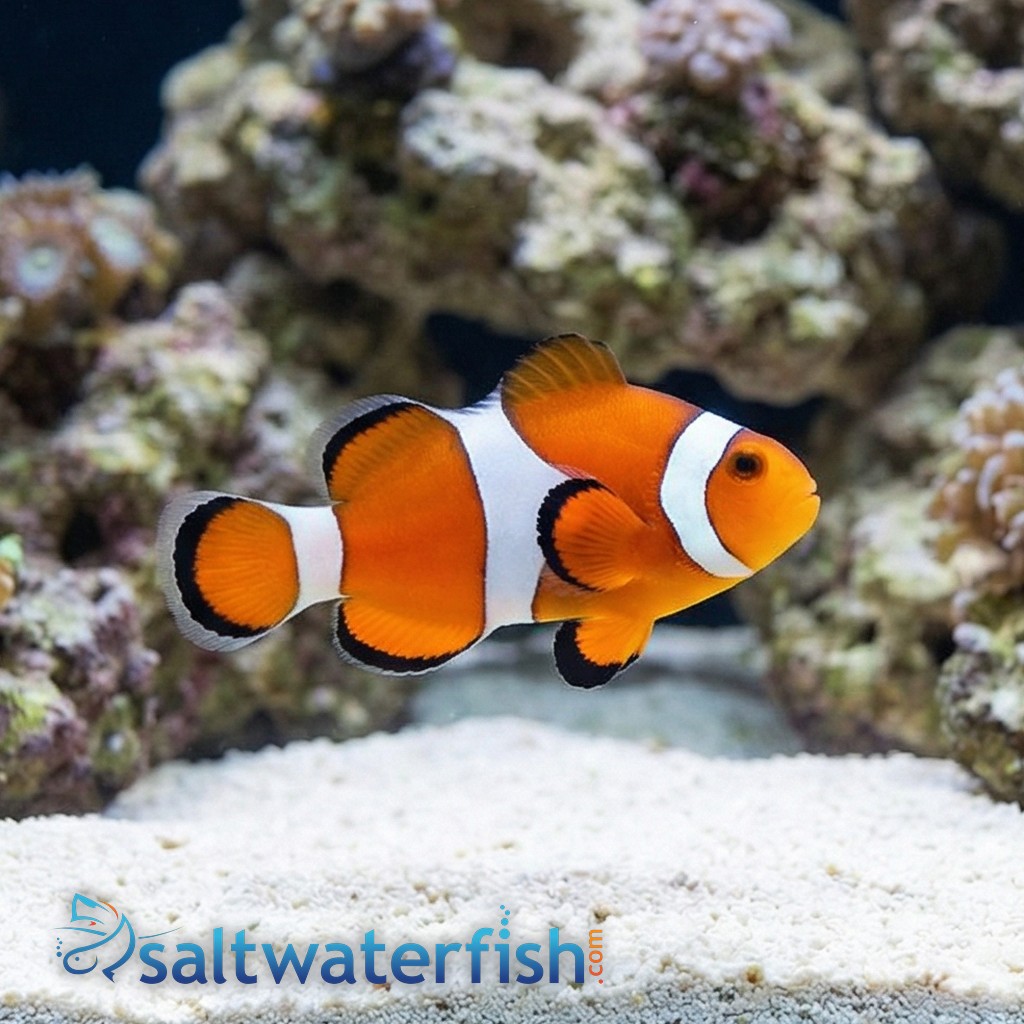
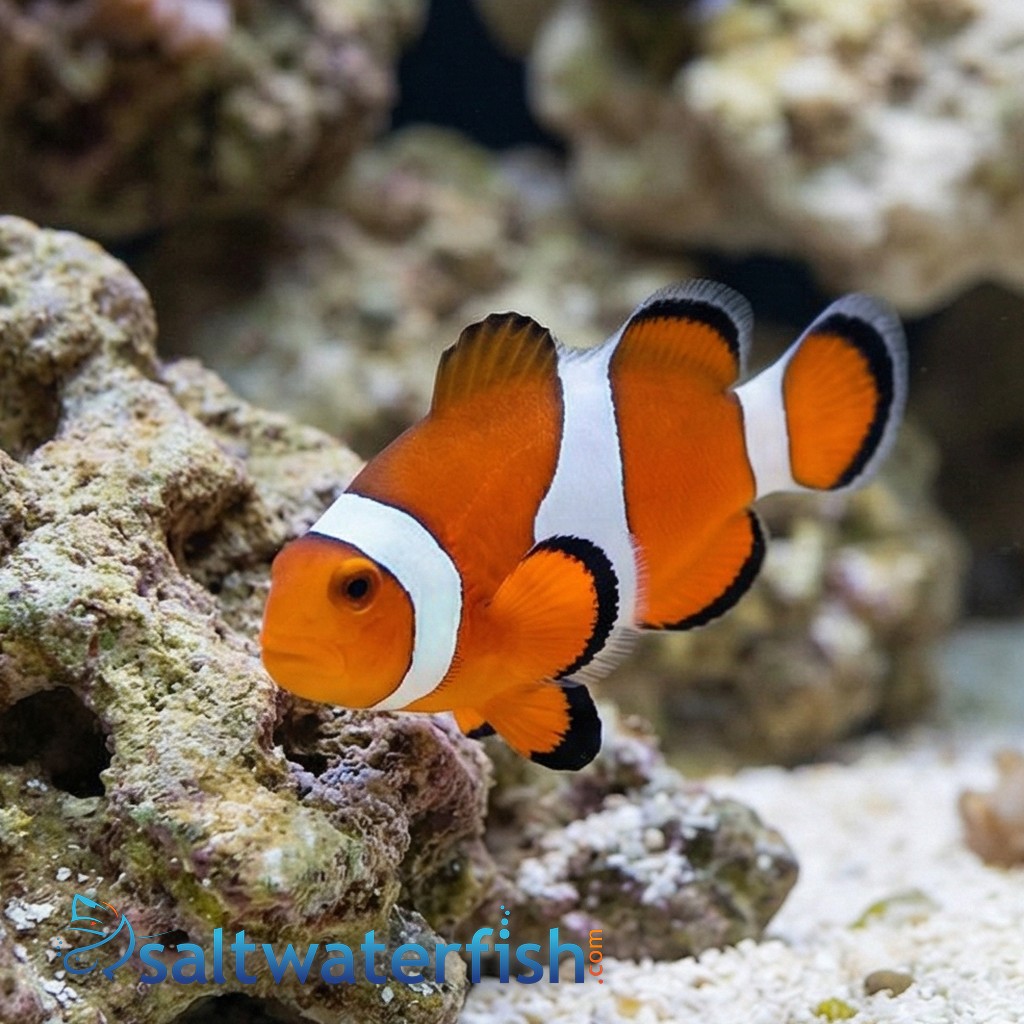
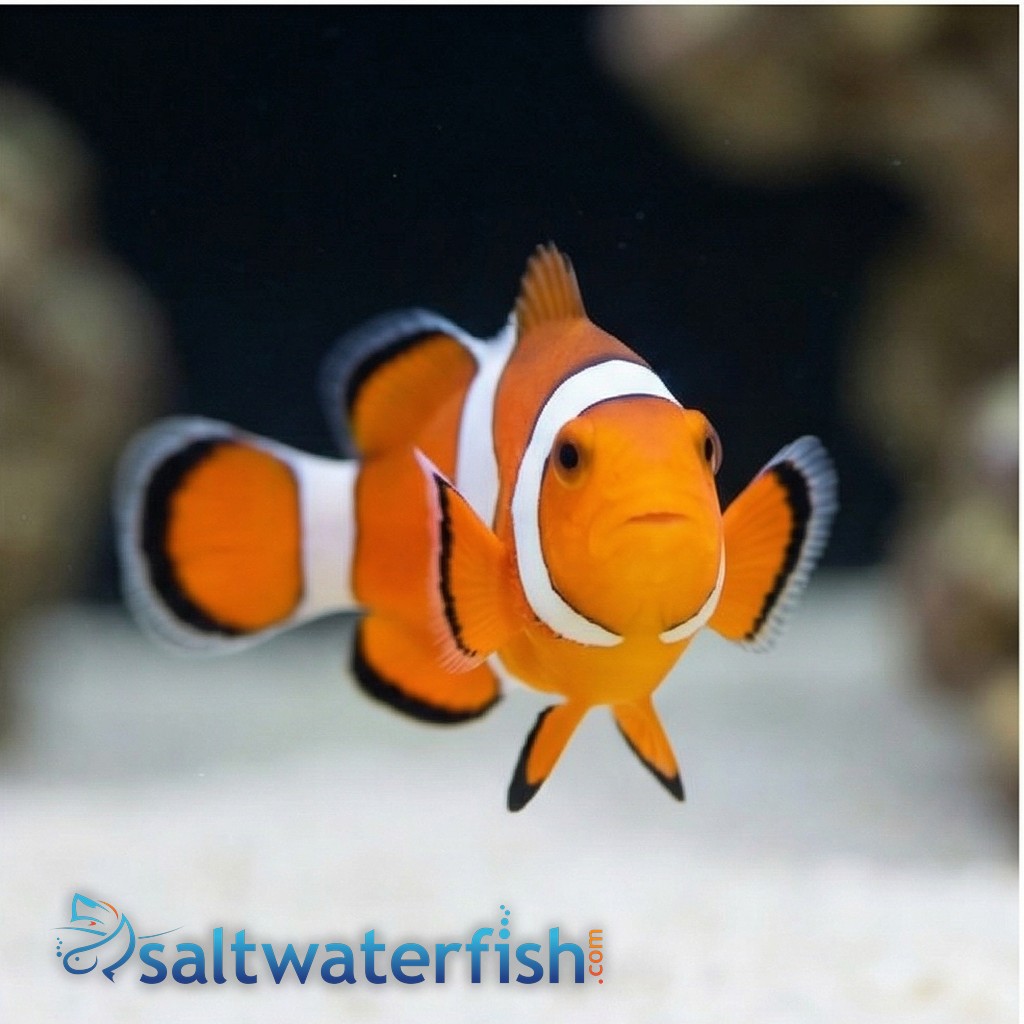
False Percula Ocellaris Clownfish - Captive Bred - QM Labs
Amphiprion ocellaris
(24 Reviews)
False Percula Ocellaris Clownfish - Captive Bred - QM Labs
Size: <1.25"
$16.99
False Percula Ocellaris Clownfish - Captive Bred - QM Labs
Size: 1.25 - 2.25"
$19.99
False Percula Ocellaris Clownfish - Captive Bred - QM Labs
Size: 2.25 - 3.25"
$22.99
To join the waiting list, click here
Free Shipping
With
$199.00
or more in Marine Life.
More details...

False Percula Ocellaris Clownfish - Captive Bred - QM Labs Care Facts
| Care Level: | Easy |
|---|---|
| Temperament: | Peaceful |
| Diet: | Omnivore |
| Reef Safe: | Yes |
| Minimum Tank Size: | 20 gallons |
| Max Size: | 3 inches |
The False Percula Clownfish (Amphiprion ocellaris): A Timeless Classic
The False Percula Clownfish (Amphiprion ocellaris), also known as the Ocellaris Clownfish, is one of the most iconic and beloved species in the saltwater aquarium hobby. Renowned for its striking appearance and playful behavior, this clownfish has captured the hearts of marine enthusiasts worldwide. Let's delve into the False Percula Clownfish's habitat, reef-safe nature, size, lifespan, diet, aquaculture options, compatibility, suitable tank mates, symbiotic relationships, tank requirements, other common names, and compatible tank mates.
Habitat of the False Percula Clownfish
The False Percula Clownfish is native to the warm waters of the Indo-Pacific region, including the Red Sea and the western Pacific Ocean. In the wild, they inhabit coral-rich lagoons and reefs, forming a mutualistic relationship with certain species of sea anemones.
Reef-Safe Nature
The False Percula Clownfish is entirely reef-safe and poses no threat to corals or other invertebrates. They form a unique and beneficial symbiotic relationship with certain species of sea anemones.
Size and Lifespan
False Percula Clownfish can grow to be about 2.5 to 3 inches (6.5 to 8 cm) in length. With proper care, they can have a lifespan of up to 10 years in a well-maintained aquarium.
Diet and Feeding
In their natural habitat, False Percula Clownfish are omnivores, feeding on various tiny organisms, including algae, zooplankton, and small crustaceans. In a home aquarium, they readily accept a diet of high-quality frozen or live foods like brine shrimp, mysis shrimp, and marine pellets.
Aquaculture Success
The False Percula Clownfish is widely available in the aquarium trade, and captive-bred specimens are readily accessible. Breeding and propagating this species in captivity have been highly successful, making them a sustainable and eco-friendly choice for marine aquariums. They are also hardier than their wild-caught cousins.
Compatibility with Tank Mates
False Percula Clownfish are generally peaceful and can coexist with various tank mates. However, they may display territorial behavior towards other clownfish, especially those of the same or similar species.
Suitable Tank Mates
When selecting tank mates for the False Percula Clownfish, consider these peaceful options:
- Cardinalfish: Peaceful and colorful, cardinalfish make suitable tank mates for the False Percula Clownfish.
- Firefish (Nemateleotris magnifica): These small and peaceful fish share a compatible tank environment with the clownfish.
- Dottybacks (e.g., Pseudochromis fridmani): Certain species of dottybacks can coexist with the clownfish, adding color and personality to the tank.
- Royal Gramma (Gramma loreto): Royal Grammas are peaceful and can make suitable tank mates.
- Hawkfish (e.g., flame hawkfish): Peaceful hawkfish species can be compatible tank mates for the clownfish.
Symbiotic Relationships
In the wild, False Percula Clownfish form a mutualistic symbiotic relationship with certain species of sea anemones. They live among the anemone's tentacles, gaining protection from predators while providing the anemone with food and nutrients.
Tank Requirements
To provide a suitable environment for the False Percula Clownfish, the aquarium should have plenty of live rock and hiding spots, along with open areas for swimming. A suitable sea anemone is unnecessary, as captive-bred clownfish can thrive without one.
Other Common Names for the False Percula Clownfish
In addition to the name "False Percula Clownfish" or "Ocellaris Clownfish," this species is also known as the "Common Clownfish" or "Clown Anemonefish."
The False Percula Clownfish: A Timeless Classic
The False Percula Clownfish (Amphiprion ocellaris) is a timeless classic and a delightful addition to saltwater aquariums. Its vibrant colors and playful behavior make it popular among marine enthusiasts. Aquarists can enjoy the beauty and charm of these captivating clownfish by providing them with a suitable environment, compatible tank mates, and proper care.
Reviewed by: Randy Perkins on May 31, 2026
Reviewed by: Jon Springer on May 25, 2026
Healthy, no sign of brook. Swimming and eating well
Reviewed by: Jesse Liu on May 12, 2026
Beautiful and healthy.
Reviewed by: Dan Voels on April 20, 2026
Reviewed by: Robert Friesen on March 16, 2026
Super cute! It's tiny, but adorable and highly active.
Reviewed by: Matthew D. Anderson on Feb. 23, 2026
Reviewed by: John Morrison on Jan. 19, 2026
Reviewed by: Pedro Colon on Jan. 12, 2026
Reviewed by: Maryann Robinson on Dec. 18, 2025
Reviewed by: Debbie Mccarter on Dec. 15, 2025
Arrived in excellent condition—great addition to the tank.
Reviewed by: Michael Nesbitt on Dec. 8, 2025
Reviewed by: Rueban Blankenship on Dec. 1, 2025
Reviewed by: Joci Goris on Nov. 30, 2025
Definitely captive bred. Smallest clownfish I have ever seen. So Cute!
Reviewed by: Terry Reiss on Nov. 13, 2025
Reviewed by: Jay Tyler on Nov. 11, 2025
Reviewed by: Rodica Duma on Nov. 4, 2025
Reviewed by: Catherine Huang on Oct. 27, 2025
They are doing great. Never had any fish under an inch, so they are in my non-display tank until they get a little bigger.
Reviewed by: Michael Beckwith on Sept. 1, 2025
Reviewed by: Darin Bass on Aug. 12, 2025
Reviewed by: Darin Bass on Aug. 12, 2025
Reviewed by: Morgan English on Aug. 10, 2025
Reviewed by: Paul Pelroy on July 22, 2025
Cute, spunky and healthy. The perfect little clown
Reviewed by: Erica Cohn on July 15, 2025
Reviewed by: John Morrison on June 8, 2025