Scooter Blenny: Red - South Asia
Synchiropus stellatus
(0 Reviews)
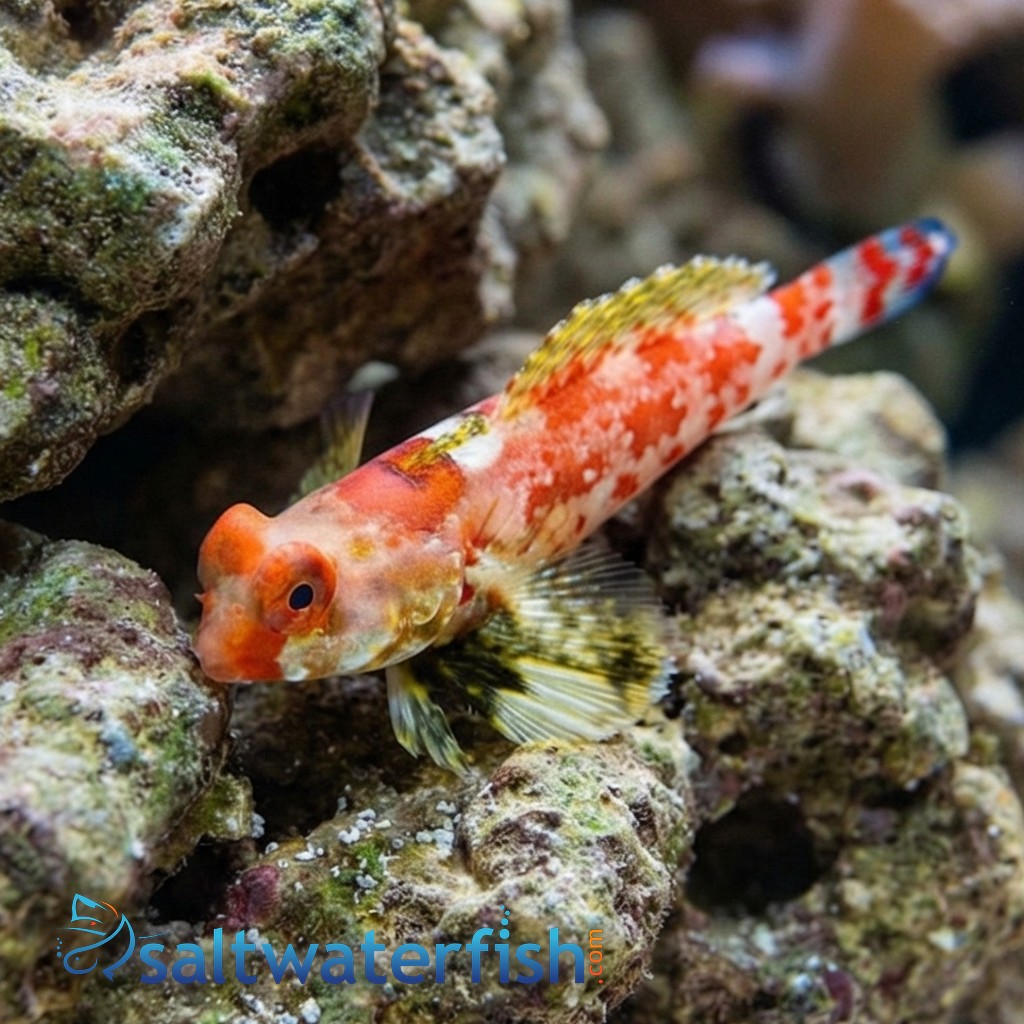
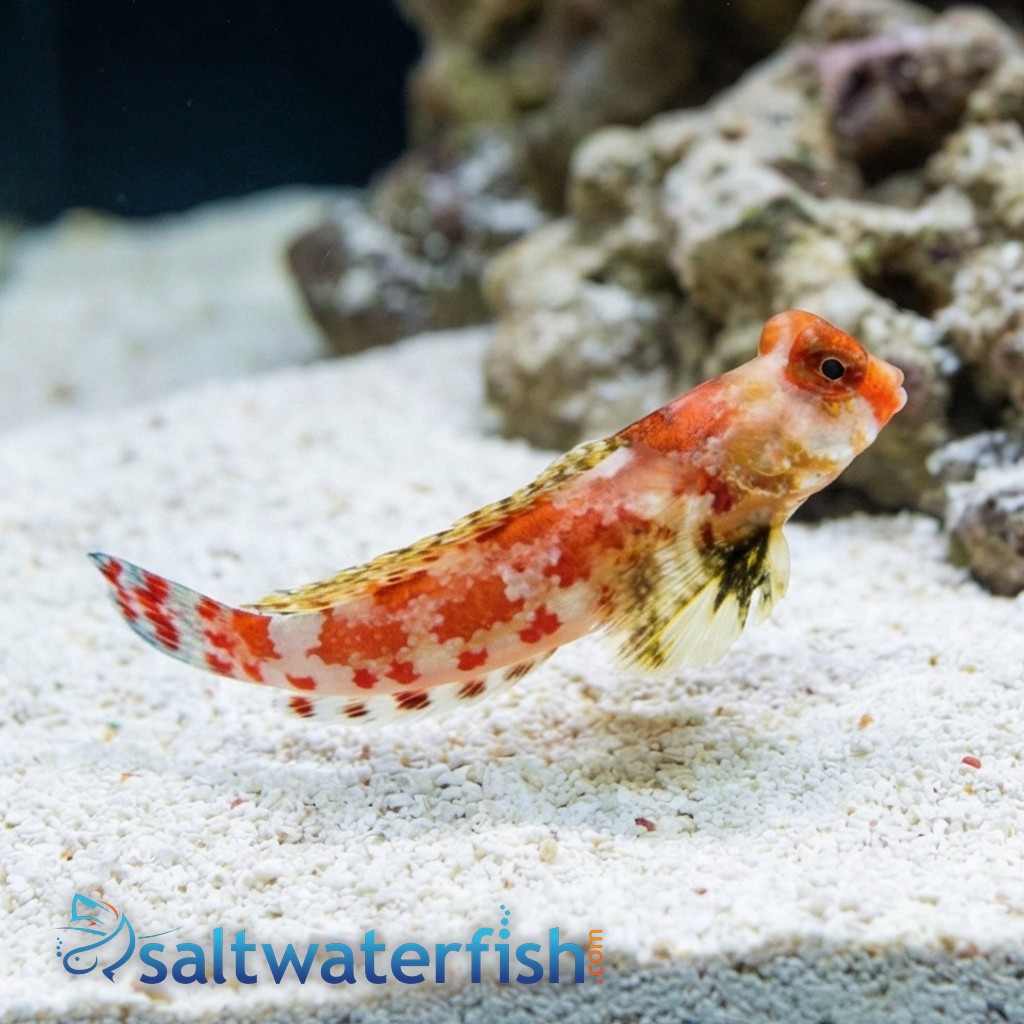
Scooter Blenny: Red - South Asia
Synchiropus stellatus
(0 Reviews)
Scooter Blenny: Red - South Asia
Size: < 2"
$36.00
To join the waiting list, click here
Free Shipping
With
$199.00
or more in Marine Life.
More details...

Scooter Blenny: Red - South Asia Care Facts
| Care Level: | Moderate |
|---|---|
| Temperament: | Peaceful |
| Diet: | Omnivore |
| Origin: | Indo Pacific |
| Acclimation Time: | 3+ Hours |
| Reef Safe: | Yes |
| Coral Safe: | Yes |
| Invertebrate Safe: | Yes |
| Minimum Tank Size: | 30+ Gallons |
The Scooter Blenny: Red (Synchiropus stellatus), sometimes called the Red Scooter Dragonet, offers reef keepers a peaceful bottom-dwelling fish that thrives in mature systems. This species supports natural reef-floor activity and is valued by aquarists who want a consistent, predictable fish that behaves calmly in community settings. Many hobbyists look for guidance on what this fish eats, which tank mates suit it best, and whether it fits a beginner system, and choosing a healthy specimen early is important because availability can shift seasonally. When provided a stable habitat with continuous microfauna, this species adapts well and remains active throughout the day.
Appearance
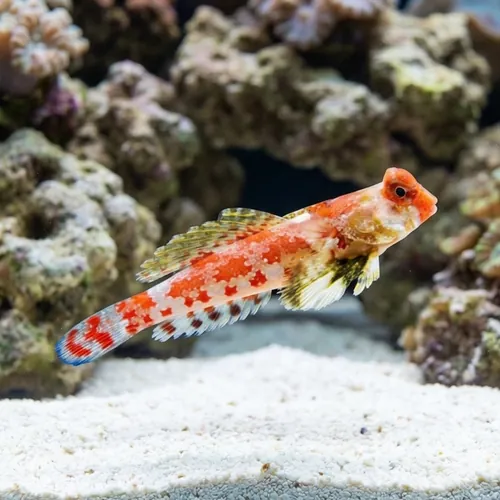
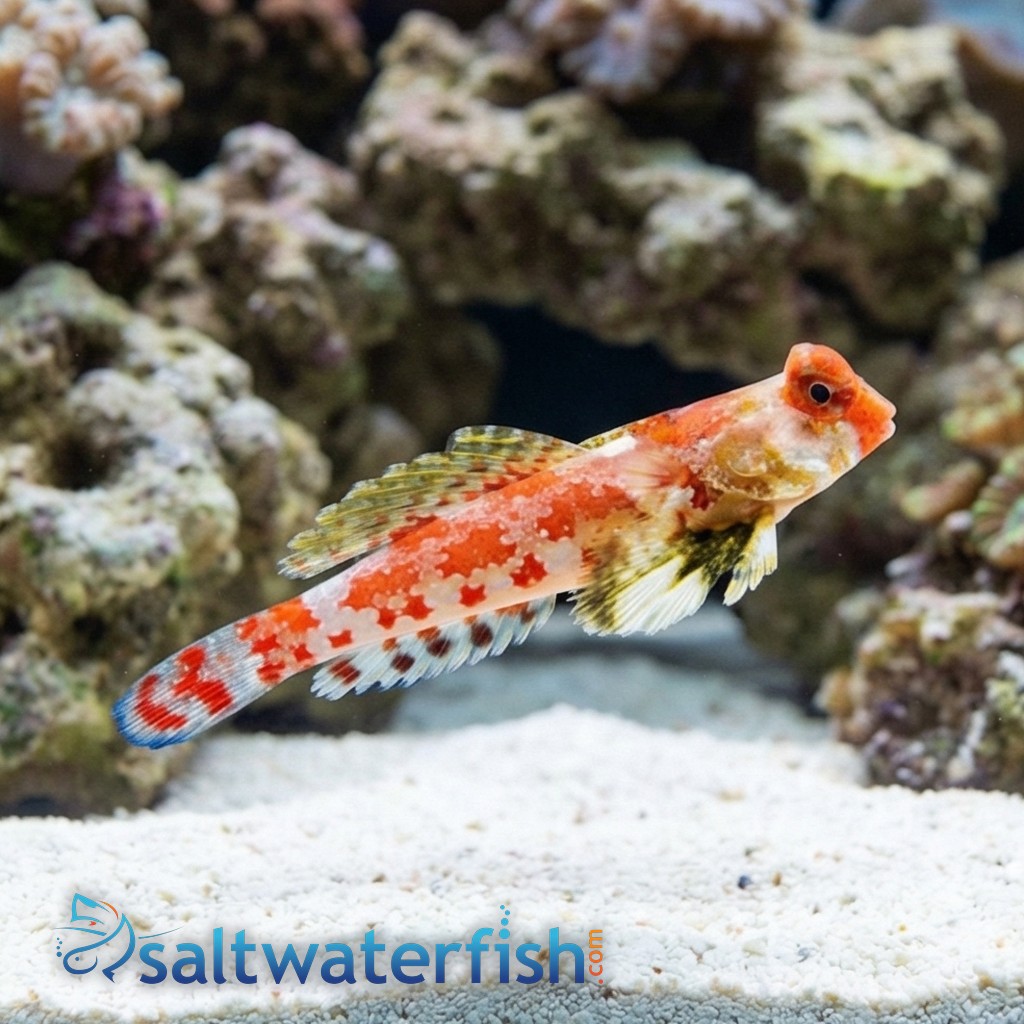
The Scooter Blenny: Red displays red, tan, and white mottling across its body, helping it blend naturally with rock and sand. Males often show stronger coloration and taller dorsal fins, while females have smaller fins and subtler markings.
Care & Requirements
The Scooter Blenny: Red relies on a mature aquarium with strong microfauna growth, especially copepods and amphipods that support its natural feeding pattern. A deep live sand bed and stable rock structure create areas where pods can reproduce and allow the fish to forage throughout the day. A 30-gallon established tank is the minimum size recommended, with low competition for food and steady water parameters. Pod supplementation helps maintain reliable access to natural prey, especially in smaller systems.
How often should I add copepods to support this fish?
Most tanks benefit from additions every 2 to 4 weeks depending on population levels.
Does this fish accept prepared foods?
Some may take frozen items, but most rely mainly on natural microfauna.
Can this fish be kept in a new tank?
No, it needs a fully established system with consistent microfauna.
Feeding Behavior
This species feeds by picking small crustaceans from rock and sand throughout the day. Its slow feeding pace means it must not compete with fast, aggressive eaters. Maintaining strong pod growth in crevices and low-flow zones supports long-term health.
Natural Movement
The species moves by hopping along surfaces using its pectoral fins. This behavior is normal and reflects active foraging rather than stress.
Tank Mates & Compatibility
The Scooter Blenny: Red pairs well with peaceful species that do not compete heavily for microfauna. Suitable choices include smaller gobies, blennies, cardinalfish, and gentle wrasses that avoid constant foraging. Avoid aggressive feeders or territorial fish that may disrupt its movement or outcompete it for food. A single individual is usually easiest to maintain, though a male and female can coexist in larger, stable systems.
Can two males be kept together?
Males may show territorial behavior unless kept in very large tanks.
Are invertebrates safe with this species?
Yes, it does not harm corals or invertebrates.
Does it get along with fast-feeding fish?
No, those fish usually outcompete it for microfauna.
Aquaculture/Availability
Currently, captive-bred specimens are not widely produced, and most availability comes from wild-caught sources. Seasonal import shifts can limit supply, making healthy individuals more desirable when available. Choosing a specimen that shows steady movement and active foraging supports easier acclimation.
Are wild-caught individuals difficult to acclimate?
They adapt well when pod populations are strong and conditions are stable.
Is captive-bred availability expected to improve?
It may grow in the future, but there is no consistent supply yet.
Does wild collection affect behavior?
Wild individuals maintain natural foraging patterns that translate well to established tanks.
FAQ
How long does it take for a Scooter Blenny: Red to settle into a new aquarium?
Most individuals settle within one to two weeks once pod levels are stable and tankmates are peaceful.
What tank setup best supports natural microfauna growth?
Live rock, deep sand, and low-nutrient stability help pods reproduce in sheltered areas.
Is a refugium helpful for maintaining pod populations?
Yes, refugiums allow pods to reproduce without predation.
How can I tell if my Scooter Blenny: Red is getting enough food?
A full, rounded belly and steady foraging activity signal good nutrition.
Does lighting affect this species? daily behavior?
Lighting mainly influences pod activity; the fish responds more to prey availability.
Can this species help control pest populations?
It may reduce some small organisms but should not be relied on for pest control.
How old are store-size specimens?
Most are several months to about one year old.
Do males and females behave differently in home aquariums?
Males may display more active fin movements, while females forage more quietly.
Beautiful and thriving
Reviewed by: Jeremiah Johnston on Oct. 6, 2025
Reviewed by: Bo Yun on Oct. 6, 2024
Reviewed by: Wayne Brink on Aug. 7, 2024
The price was worth buying.
Reviewed by: Richard Kenney on June 4, 2024
Reviewed by: Paul Pronsati on Feb. 20, 2024
I love the scooter blennies. They just glide throughout the tank. I keep a steady stream of copepods in the tank just in case he doesn’t get to eat frozen leftovers…
Reviewed by: Dale Pichelmayer on Feb. 11, 2024
Reviewed by: Paul Pronsati on Oct. 30, 2023