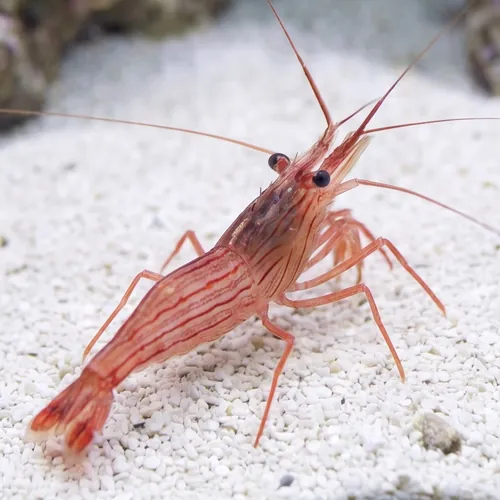
Peppermint Shrimp
Lysmata wurdemanni / boggessi
(0 Reviews)
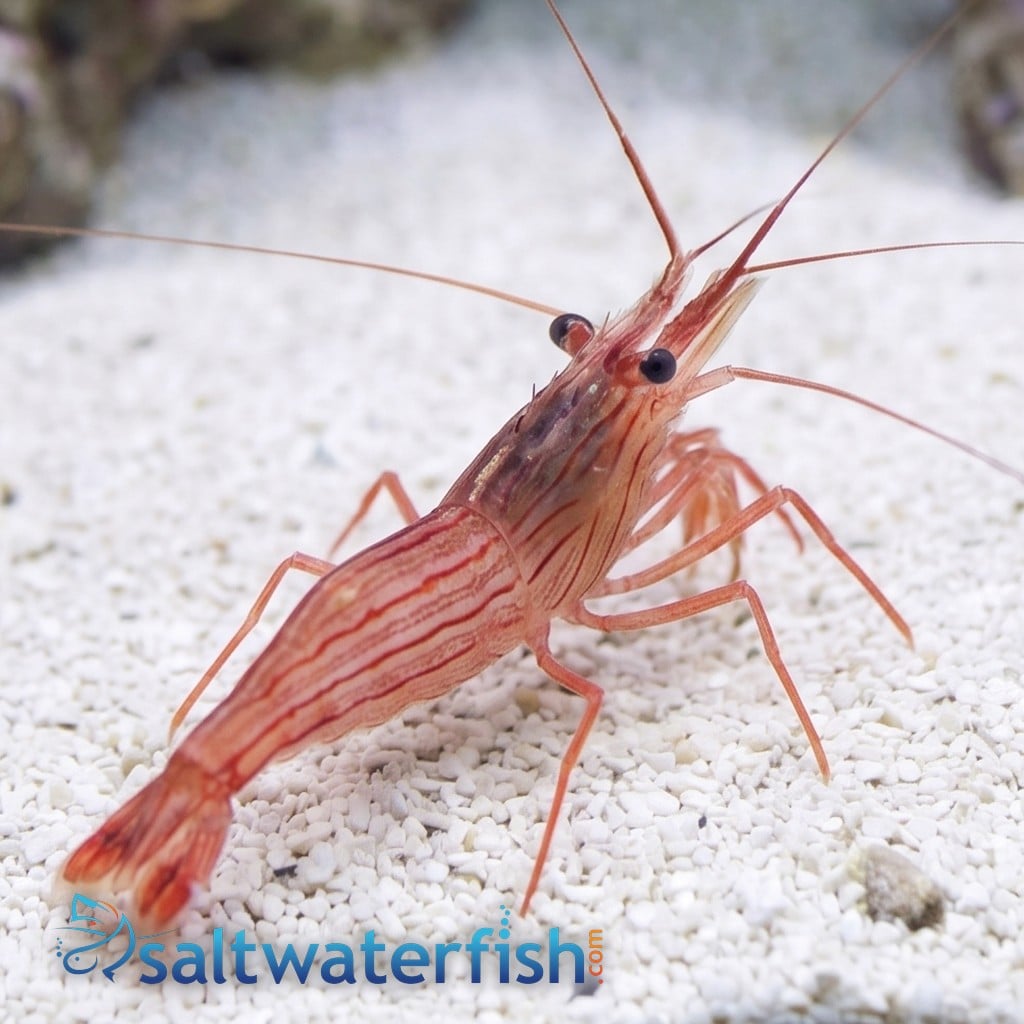
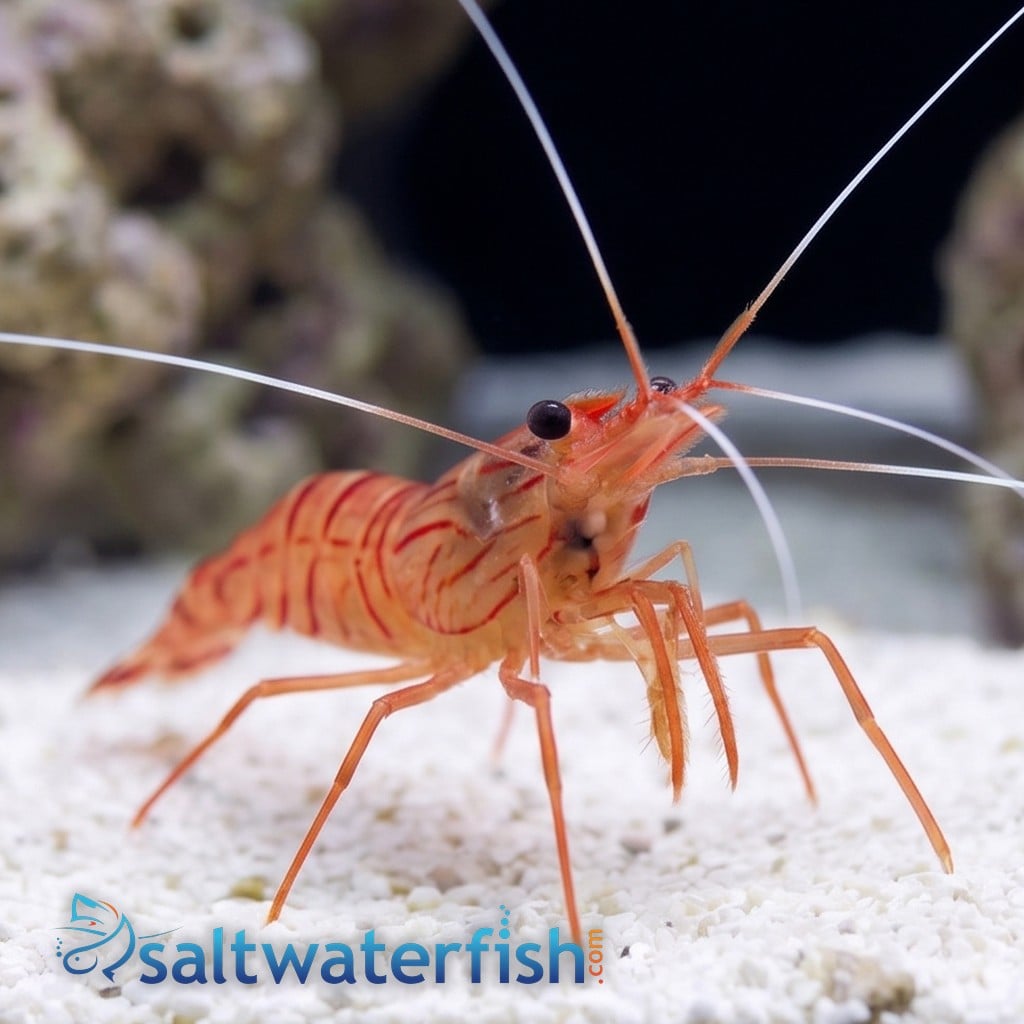
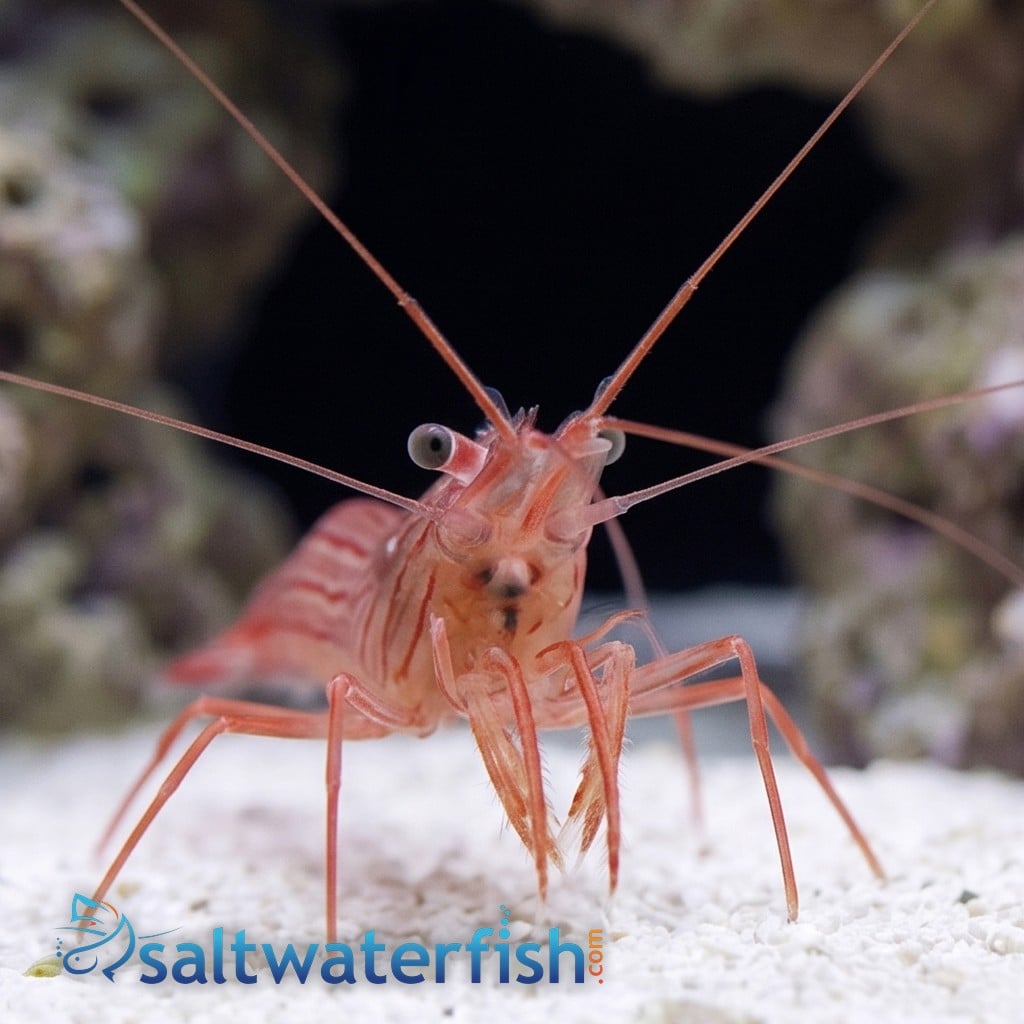
Peppermint Shrimp
Lysmata wurdemanni / boggessi
(0 Reviews)
Peppermint Shrimp - USA
Size: Small
$17.00
To join the waiting list, click here
Free Shipping
With
$199.00
or more in Marine Life.
More details...

Peppermint Shrimp Care Facts
There are no key facts available for this product.
Peppermint Shrimp
The Peppermint Shrimp, known for its adept Aiptasia control, is a reef-safe, reclusive species with a pink body and red stripes. Native to the Atlantic, it molts regularly and is easy to care for, making it a popular choice in marine aquariums. Captive-bred specimens, though pricier, offer adaptability and reduce pressure on wild populations. These shrimp, typically 2 inches long, thrive in well-maintained tanks, where they scavenge detritus and algae.
Peppermint Shrimp, also called Veined Shrimp, establish symbiotic relationships and are compatible with various tank mates like clownfish and dwarf angelfish. They contribute to tank cleanliness and can live several years with proper care. Sourcing from Saltwaterfish.com ensures responsibly sourced specimens and supports sustainable marine practices, offering aquarists the benefits of a visually striking and beneficial addition to their aquariums.
Habitat and Distribution
The Peppermint Shrimp is found in warm waters across the Atlantic Ocean, from the Gulf of Mexico to the Caribbean Sea, and even down to the northern coast of South America.
Reef Compatibility
The Peppermint Shrimp is reef safe and considered a peaceful species that poses no threat to corals or other invertebrates.
Size and Lifespan
This shrimp species typically grows to a length of around 2 inches (5 cm). They can have a lifespan of several years with proper care in a well-maintained aquarium.
Diet
Peppermint Shrimp are opportunistic scavengers and omnivores. They primarily feed on detritus, algae, and small particles of food, contributing to the overall cleanliness of the tank.
Aquaculture Potential
Peppermint Shrimp are available in the aquarium trade, and captive-bred specimens are increasingly common. Captive-bred individuals are preferred for their adaptability and reduced impact on wild populations. While higher priced currently, they are more acclimated to the aquarium environment.
Molting Process
Like other crustaceans, Peppermint Shrimp periodically molt to grow. The shrimp sheds its exoskeleton during molting and becomes temporarily vulnerable until the new shell hardens.
Symbiotic Relationships
Peppermint Shrimp establish symbiotic relationships with certain fish and other marine organisms. They may clean parasites and dead tissue from the skin of larger fish, forming a beneficial partnership.
Water Requirements
Peppermint Shrimp thrive in well-maintained aquariums with stable water parameters. Regular water changes, proper filtration, and maintenance are essential to their well-being.
Other Common Names
In addition to the name "Peppermint Shrimp" or "Lysmata wurdemanni," this species is also known as the “Veined Shrimp” and "Caribbean Cleaner Shrimp."
Compatible Tank Mates
- Clownfish (Amphiprion spp.): Clownfish are peaceful and can coexist with Peppermint Shrimp in a reef environment.
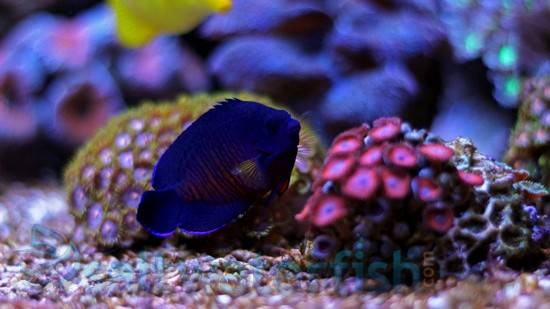
- Dwarf Angelfish (Centropyge spp.): Certain dwarf angelfish species can make suitable companions for Peppermint Shrimp.
- Blennies (e.g., Tailspot Blenny): Peaceful blennies can cohabitate with Peppermint Shrimp, adding diversity to the tank.
- Gobies (e.g., Yellow Watchman Goby): These small, peaceful fish can share the tank with Peppermint Shrimp.
- Cardinalfish (e.g., Banggai Cardinalfish): Peaceful and visually appealing, cardinalfish can make compatible tank mates.
Reviewed by: Dakota Flynn on Aug. 31, 2026
Everything came in great
Reviewed by: Charles Redman on July 23, 2026
Reviewed by: Terry Reiss on June 29, 2026
Reviewed by: Joshua Hernandez on June 21, 2026
Reviewed by: J.P. Chen on April 29, 2026
Reviewed by: Mark Noah on April 20, 2026
Reviewed by: Robbie Lemarr on April 15, 2026
Reviewed by: Melanie Burnett on April 1, 2026
Reviewed by: Kevin Walls on March 30, 2026
Reviewed by: Javier Gonzalez on March 19, 2026
He is very shy but he grab a piece of scallop from the tongs & love it!
Reviewed by: Melanie Burnett on March 18, 2026
Reviewed by: Amber Greenetz on March 17, 2026
Reviewed by: Jessica Tonetti on March 17, 2026
Reviewed by: Leo Stepansky on March 2, 2026
Easy acclimation
Reviewed by: Thomas Rasbach on Feb. 9, 2026
They were super cute we put them in our sump and they love to eat and clean
Reviewed by: Amber Holder on Jan. 26, 2026
All seem good and active
Reviewed by: Mark Ehnot on Dec. 29, 2025
Reviewed by: Joseph Young on Dec. 28, 2025
Reviewed by: Terry Reiss on Dec. 23, 2025
Reviewed by: Kiet Le on Dec. 22, 2025
Reviewed by: Michael Coristine on Dec. 17, 2025
Reviewed by: Anthony Tabano on Dec. 14, 2025
Reviewed by: Melinda Martin on Dec. 9, 2025
All came in alive and active. They might actually be knocking down some of the aiptasia. Jury is still out though.
Reviewed by: Andrew Hayes on Dec. 8, 2025
More warmth needed
Reviewed by: Joseph Gracia on Dec. 8, 2025
Reviewed by: Frank Consolloy on Dec. 7, 2025
Reviewed by: Daniel Connolly on Nov. 23, 2025
Reviewed by: Terry Reiss on Nov. 13, 2025
Nice size and healthy
Reviewed by: Dave Splain on Sept. 23, 2025
Healthy ,very active. Great size also
Reviewed by: Jay Baughman on Aug. 26, 2025
Reviewed by: Starcen Ellis on June 11, 2025
Reviewed by: Neil Tournoux on May 19, 2025
Reviewed by: John Wooten on May 18, 2025
Reviewed by: Jason Laframboise on May 4, 2025