Yellow Ghost Discus
Symphysodon aequifasciatus
(0 Reviews)
Yellow Ghost Discus
Symphysodon aequifasciatus
(0 Reviews)
Yellow Ghost Discus
Size: 3"
$77.99
To join the waiting list, click here
Free Shipping
With
$199.00
or more in Marine Life.
More details...

Yellow Ghost Discus Care Facts
| Care Level: | Expert |
|---|---|
| Temperament: | Peaceful |
| Diet: | Carnivore |
| Minimum Tank Size: | 55 gallons |
| Max Size: | 6 inches |
| Water Temperature: | 82-86øF |
| pH Range: | 6.0-7.0 |
| Lifespan: | Up to 12 years |
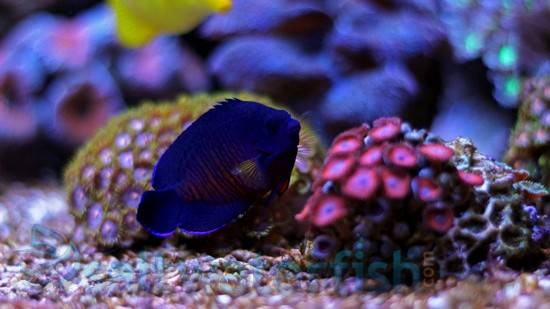
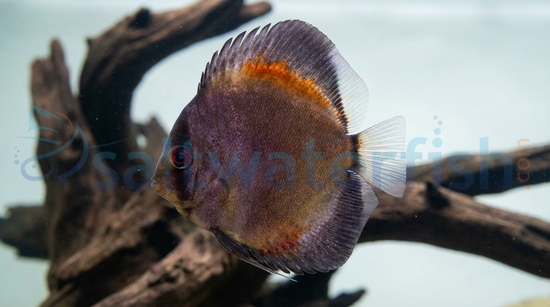
The Yellow Ghost Discus is a selectively bred variant prized for its pale, ethereal coloration, a wash of soft yellows and cream tones that give the fish its spectral name. That laterally compressed disc-shaped body isn't just visually striking; it's a functional adaptation that allowed wild ancestors to slip through dense Amazonian vegetation and navigate the tight spaces of slow-moving blackwater tributaries. In the aquarium, the effect is immediate: a mature fish at six inches carries genuine visual weight, hovering mid-water with the unhurried confidence of a species that has no natural rivals at its level of the water column.
What genuinely separates discus from most freshwater fish is their responsiveness. Yellow Ghosts develop recognizable individual personalities over time, learning feeding routines, distinguishing their keeper from strangers, and establishing subtle social hierarchies within a group. They'll drift toward the front glass when you approach, track your movements, and compete gently for position during mealtimes. That level of engagement, sustained consistently over a lifespan of up to twelve years, is rare in the hobby. These fish evolved in warm, chemically stable blackwater environments, and they carry that sensitivity with them into captivity. Parameter swings that other cichlids shrug off will visibly stress a discus, so a consistent temperature in the 82F range and soft, slightly acidic water aren't optional preferences but genuine biological requirements.
Tank design matters as much as water chemistry. Subdued lighting, driftwood, sand substrate, and dense planting all contribute to a calmer, more confident fish. Minimal flow suits them well. Their waste output is substantial relative to their size, so diligent water change discipline is essential to keeping the bioload in check. For companions, the best choices are calm, non-competitive species that won't crowd the mid-water space or outcompete them at feeding time:
- Small, peaceful tetras (rummy-nose, cardinal)
- Corydoras catfish on the substrate
- Quiet bottom-dwellers like dwarf plecos or small loaches
Feeding should combine high-quality frozen foods, bloodworms and brine shrimp being the staples, with a reputable discus-specific pellet to round out nutrition. Yellow Ghost Discus are not a beginner fish, but for an aquarist ready to meet their needs, they reward that investment with a centerpiece that actually notices you back.
Currently Yellow Ghost Discus does not have any reviews.