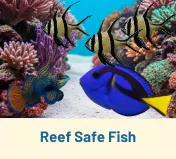
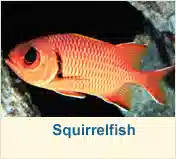
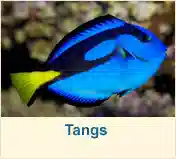
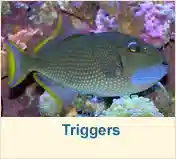
Saltwater Fish are wildly popular today, as science and technology have made it easier than ever to own and operate a saltwater fish tank. Many species of Saltwater Fish are aquacultured and others are humanely collected from all of the tropical oceans of the world. Saltwater Fish are desirable for their bright colors, bold patterns, and ease of care. There are reef safe fish and predatory fish, so hobbyists must consider tank size and compatibility so their Saltwater Fish will …
Saltwater Fish are wildly popular today, as science and technology have made it easier than ever to own and operate a saltwater fish tank. Many species of Saltwater Fish are aquacultured and others are humanely collected from all of the tropical oceans of the world. Saltwater Fish are desirable for their bright colors, bold patterns, and ease of care. There are reef safe fish and predatory fish, so hobbyists must consider tank size and compatibility so their Saltwater Fish will live a long healthy life.
Saltwater fish are among the most colorful, interesting, and rewarding animals available for a home aquarium. With today's advances in aquarium filtration, lighting, foods, water testing, and captive breeding, it is easier than ever for hobbyists to keep a healthy and successful saltwater fish tank.
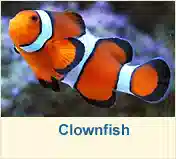
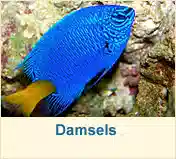
At Saltwaterfish.com, you can shop a wide selection of saltwater fish for sale, including popular community fish, reef-safe fish, beginner-friendly marine fish, aquacultured fish, rare collector fish, and larger predatory species. Our selection may include clownfish, tangs, angelfish, butterflyfish, gobies, blennies, wrasses, damselfish, anthias, triggers, puffers, groupers, lionfish, eels, and many other marine aquarium fish.
Saltwaterfish.com inventory updates in real time, and new marine life may be added throughout the day. Because availability changes quickly, we encourage customers to check back often for new saltwater fish, aquacultured marine fish, reef-safe species, and rare additions.
Each fish listing includes detailed information to help you make the right choice for your aquarium. Product pages may include care details, reef-safe information, tank-size recommendations, diet notes, temperament, adult size, and other important facts so customers can make informed stocking decisions.
Saltwater fish are prized for their bright colors, bold patterns, unique behaviors, and the movement they bring to a marine aquarium. Many species are peaceful and suitable for reef tanks, while others are best kept in fish-only systems, predator aquariums, or larger saltwater displays.
Before choosing a fish, it is important to consider tank size, temperament, diet, adult size, reef compatibility, and compatibility with other fish and invertebrates. Selecting the right species for your aquarium helps reduce stress, improve long-term health, and create a more stable saltwater environment.
Saltwaterfish.com offers both aquacultured marine fish and responsibly sourced wild-collected species from tropical oceans around the world. Aquacultured fish are raised in controlled environments and are often well adapted to aquarium life, while wild-collected fish continue to provide access to many beautiful marine species that are not yet widely available through captive breeding.
Whether you are starting your first saltwater aquarium or adding a centerpiece fish to an established reef tank, Saltwaterfish.com makes it easy to find healthy marine fish for your aquarium.
Choosing the Right Saltwater Fish
Every saltwater aquarium is different, and choosing the right fish is one of the most important parts of building a successful marine tank. When selecting saltwater fish, consider:
Tank size: Some fish stay small, while others need large aquariums as adults.
Temperament: Peaceful community fish should not be mixed with aggressive predators.
Reef safety: Some fish are safe with corals and invertebrates, while others may nip or eat them.
Diet: Many marine fish eat prepared foods, while some require specialized diets.
Adult size: A small juvenile may grow into a much larger fish.
Compatibility: Fish should be chosen based on behavior, territory, and long-term care needs.
Care level: Some fish are hardy and beginner-friendly, while others are better suited for experienced aquarists.
Planning carefully helps your fish live a longer, healthier life and helps create a more enjoyable aquarium. Review the care details listed under each fish description for additional guidance.
Reef-Safe Saltwater Fish
Reef-safe saltwater fish are species that are generally considered suitable for aquariums with corals and invertebrates. These fish typically do not eat corals, damage reef structures, or prey heavily on ornamental invertebrates.
Popular reef-safe saltwater fish may include many clownfish, gobies, blennies, wrasses, chromis, anthias, and some tangs. However, reef compatibility can vary by species and individual behavior, so it is always important to review the care information under each individual fish listing before adding a fish to a reef tank.
Beginner Saltwater Fish
Some saltwater fish are better suited for new hobbyists because they are hardy, adaptable, and more forgiving of normal aquarium learning curves. Beginner-friendly marine fish may include many captive-bred clownfish, gobies, blennies, damselfish, chromis, and other hardy community species.
A good beginner saltwater fish should be appropriately sized for the aquarium, willing to eat prepared foods, peaceful enough for the planned tankmates, and compatible with the aquarium's long-term setup. The care details on each fish product page can help you decide which species are best for your aquarium.
Aquacultured Saltwater Fish
Aquacultured saltwater fish are bred and raised in controlled environments instead of being collected from the wild. These fish are often well adapted to aquarium conditions and may be more familiar with prepared foods, lighting, filtration, and life in a closed marine system.
Choosing aquacultured fish whenever possible supports a more sustainable saltwater aquarium hobby and helps reduce pressure on natural reef ecosystems. Aquacultured options may include clownfish, gobies, dottybacks, blennies, angelfish, and other marine species depending on availability.
Because our saltwater fish inventory changes in real time, aquacultured marine fish may appear throughout the day as availability is updated.
Saltwater Fish: FAQ
The best beginner saltwater fish are usually hardy, peaceful, easy to feed, and appropriately sized for the aquarium. New hobbyists benefit most from species that forgive small mistakes in water quality and acclimation.
Popular beginner-friendly saltwater fish include:
Captive-bred clownfish — hardy, colorful, and accustomed to prepared foods
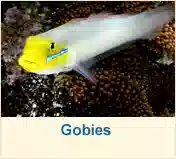
Gobies — small, peaceful, and ideal for nano and mid-size tanks
Blennies — entertaining personalities and adaptable feeding habits
Chromis — schooling fish that add movement to a community tank
Some damselfish — tough and colorful, though check temperament before mixing
Always check the adult size, temperament, tank requirements, and care details listed under each fish description before purchasing — a fish that's perfect at 1 inch may grow into something very different.
Bottom line: Start with hardy, captive-bred species and build experience before moving on to more demanding fish.
Reef safe means a fish is generally considered compatible with corals and ornamental invertebrates. Reef-safe fish usually do not eat corals, nip at polyps, or disturb the reef structure.
What "reef safe" typically signals:
Won't eat coral tissue or polyps under normal conditions
Won't prey on ornamental shrimp, snails, or other invertebrates
Won't disturb aquascaping by digging or moving rockwork excessively
Compatible with stable reef parameters and standard reef lighting
However, behavior can vary by species and even by individual fish. Some species are labeled "reef safe with caution," meaning they may bother corals or invertebrates depending on diet, tank size, or personality.
Bottom line: Always review the reef compatibility note on the individual fish description before adding a new fish to a reef aquarium — it's the most reliable safeguard for your corals and inverts.
Saltwater fish are easier to keep today than ever before, thanks to major advances in aquarium equipment, prepared foods, water testing supplies, and shared husbandry knowledge. What was once considered a difficult specialty hobby is now accessible to most dedicated aquarists.
Success in a saltwater tank comes down to a few core practices:
Choosing the right fish for your tank size and experience level
Providing proper food matched to each species' dietary needs
Avoiding incompatible tankmates that cause stress or aggression
Cycling the aquarium fully before adding livestock
Product descriptions and care details can help you choose fish that match your aquarium and skill level, which dramatically reduces avoidable problems.
Bottom line: Saltwater isn't as intimidating as it used to be — pick the right species, stay consistent with maintenance, and the hobby rewards you with one of the most rewarding aquariums you can keep.
There is no single magic number — the right stocking level depends on a combination of factors specific to your tank.
Key factors that determine fish capacity:
Aquarium size — both gallons and physical dimensions matter
Filtration capacity — protein skimming, biological media, and water flow
Oxygen levels — driven by surface agitation and gas exchange
Aquascape — rockwork that defines territories and swimming zones
Fish size at maturity — not the size at purchase
Temperament — peaceful fish can be stocked more densely than aggressive species
Maintenance habits — regular water changes support higher bioloads
A lightly stocked aquarium is almost always easier to keep stable than an overcrowded one. Overcrowding leads to elevated nitrates, aggression, disease outbreaks, and stress-related deaths.
Bottom line: Always plan around adult size and long-term temperament, not what looks balanced today. Understocking is rarely a problem; overstocking almost always is.
Yes — many saltwater fish can be kept together, but compatibility is critical. Some fish are peaceful community species, while others are territorial, aggressive, or predatory.
Before mixing species, evaluate:
Temperament — peaceful vs. semi-aggressive vs. aggressive
Adult size — large fish may eat smaller tankmates
Diet — predators and grazers need different feeding strategies
Swimming zone — top, mid, and bottom dwellers reduce competition
Body shape and color — similar-looking fish often fight, especially same-genus tangs and angelfish
Introduction order — adding more aggressive fish last reduces territorial disputes
Many proven combinations exist — clownfish with gobies and blennies, wrasses with chromis, peaceful tangs with anthias — but the wrong pairing can lead to chronic stress, injury, or death.
Bottom line: Plan your stocking list before you start buying. A thoughtful list of compatible species beats impulse purchases every time.
A wide range of saltwater fish are commonly kept in reef aquariums. The most reliable choices tend to be species that ignore corals and ornamental invertebrates entirely.
Popular reef-safe fish groups include:
Clownfish — iconic, hardy, and reef-safe in most cases
Gobies — peaceful bottom dwellers, many ideal for nano reefs
Blennies — algae grazers and rockwork perchers
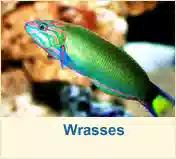
Wrasses — fairy, flasher, and many leopard wrasses are reef-safe
Chromis — peaceful schooling fish that add movement
Anthias — colorful mid-water swimmers for established systems
Many tangs — algae grazers that work well in larger reef tanks
Reef safety varies by species and even by individual fish — some are reliably reef-safe, others are labeled "with caution" because they may nip corals or hunt invertebrates depending on diet and personality.
Bottom line: Always review the specific care requirements and reef compatibility information under each individual fish listing before adding it to a reef tank.
Some saltwater fish are known to nip at corals, eat polyps, or prey on ornamental invertebrates, making them poor choices for most reef aquariums.
Fish groups commonly considered not reef-safe (or reef-safe with caution):
Many large angelfish — often sample LPS, SPS, and clam mantles
Many butterflyfish — natural coral polyp eaters in the wild
Triggerfish — aggressive and known to eat shrimp, snails, and crabs
Puffers — strong jaws that crush invertebrates
Filefish — many species nip at coral polyps
Larger wrasses and predators — may eat ornamental shrimp and small fish
These fish are often beautiful and rewarding to keep, but they're typically better suited for fish-only aquariums (FOWLR) or carefully planned predator systems where coral and invertebrate compatibility isn't a concern.
Bottom line: Always check each fish description for reef compatibility and care guidance before mixing with corals or invertebrates.
Saltwater fish diets vary widely by species. Matching the right food to each fish is one of the most important parts of long-term health and color.
Common saltwater fish food categories:
Flakes and pellets — convenient staple foods for many community species
Algae-based foods — nori sheets, spirulina pellets, and herbivore blends for grazers
Meaty foods — chopped seafood, silversides, and similar items for predators
Specialized diets — copepods for mandarins, sponge-based foods for some angels, live foods for finicky eaters
Fish fall broadly into herbivores, carnivores, and omnivores, and each group has very different nutritional needs. Feeding a carnivore an algae-only diet — or vice versa — leads to poor health over time.
Bottom line: Always check each species' dietary requirements before purchase, and plan a varied feeding routine that matches the fish's natural diet.
Aquacultured saltwater fish can be an excellent choice for most home aquariums because they're raised in controlled environments and are often already familiar with aquarium foods and captive conditions.
Advantages of aquacultured saltwater fish:
Better adaptation to aquarium lighting, filtration, and water flow
Familiarity with prepared foods like pellets, flakes, and frozen items
Reduced shipping stress compared with many wild-caught specimens
Lower environmental impact — supports a more sustainable hobby
Predictable size and condition at purchase
Aquacultured fish also support a more sustainable saltwater aquarium hobby by reducing reliance on wild collection from natural reefs.
Bottom line: Whenever an aquacultured option is available for a species you want, it's almost always worth choosing over the wild-caught version.
Choosing the right fish is one of the most important decisions you'll make as a saltwater aquarist. A thoughtful approach prevents most stocking mistakes before they happen.
Work through these questions before buying any fish:
What is your aquarium size? Both gallons and physical dimensions matter
Is it a reef tank or fish-only system? This eliminates large categories of fish immediately
What's already in the tank? Existing livestock dictates compatibility
What's your experience level? Some species require precise care
Can you provide the right diet consistently? Specialty feeders fail without it
What's the adult size? Plan for the fish at full growth, not at purchase
What's the temperament? Match peaceful with peaceful, semi-aggressive with semi-aggressive
The detailed information listed under each fish description is designed to help guide each of these decisions.
Bottom line: A few minutes of research before each purchase prevents weeks or months of problems afterward.
Yes. Saltwaterfish.com inventory updates in real time, and availability can change quickly as customers place orders and new marine life is added throughout the day.
What real-time inventory means for you:
Live availability — what you see is what's currently in stock
Quick turnover on popular species — limited specimens can sell out within hours
New arrivals throughout the day — fresh listings appear as livestock is processed
Accurate stocking decisions — no guessing whether a fish is actually available
Bottom line: If you see a fish you want, don't wait too long — and if a species isn't listed today, check back soon, because inventory shifts continuously.
New marine life may be added throughout the day as inventory is updated. There is no single "new arrival day" — fresh listings appear continuously as livestock is received, acclimated, and made ready for shipping.
Check this section often for:
New saltwater fish across all major families and groups
Aquacultured fish from captive breeding programs
Reef-safe species for coral and invertebrate aquariums
Beginner-friendly species for new hobbyists
Rare and collector marine aquarium fish that move quickly when available
Bottom line: Bookmark the category and check back often — the inventory you see today may look very different by tomorrow.
Yes. Saltwater fish should be added only after the aquarium is properly cycled and the biological filter is able to process waste safely. Skipping or rushing the cycle is one of the most common causes of early fish loss in new tanks.
Why a complete cycle matters:
Ammonia and nitrite are toxic — even short exposures can be fatal
Beneficial bacteria need time to colonize filter media, rock, and substrate
Stable parameters protect fish from preventable stress and disease
A cycled tank handles waste from feeding and respiration without spiking
You'll know your tank is cycled when ammonia and nitrite both read zero consistently while nitrate is present — that's the chemical signature of an active biological filter.
Bottom line: Don't rush. A properly cycled aquarium is the single most important foundation for long-term saltwater success.