Is Saltwater Tank Maintenance Hard? Your Guide to Easy Care
Think saltwater tanks are high-maintenance? With a simple daily and weekly routine, keeping a marine aquarium healthy is easier (and faster) than most beginners expect.


Why Saltwater Tank Maintenance Isn't as Hard as You Think
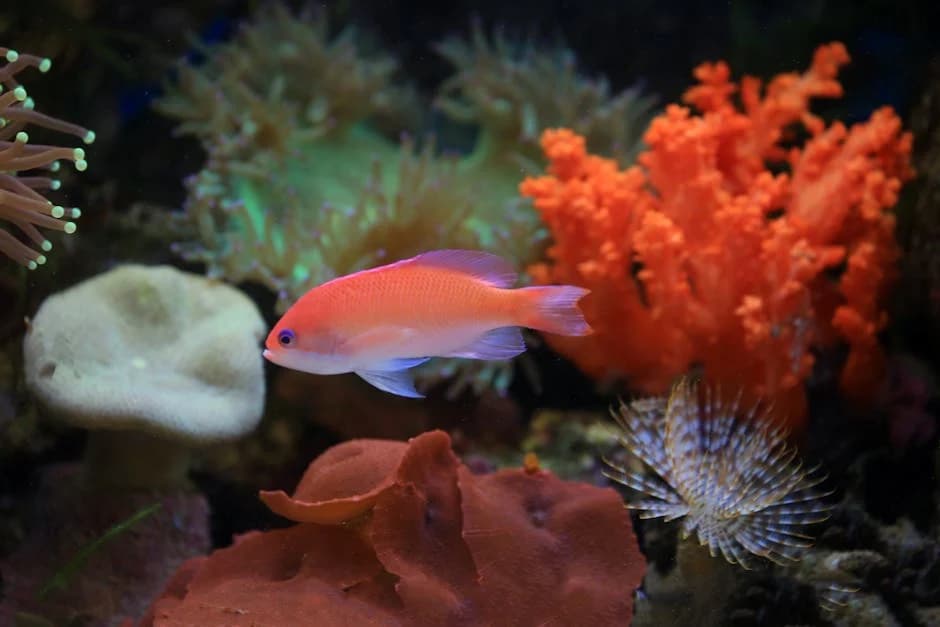
Saltwater tank maintenance is often seen as a complex, time-consuming hobby that keeps many would-be marine aquarists from ever setting up their first tank. But here's the truth: maintaining a saltwater aquarium is manageable when you understand the basics and establish a consistent routine.
Quick Answer: Core Saltwater Tank Maintenance Tasks
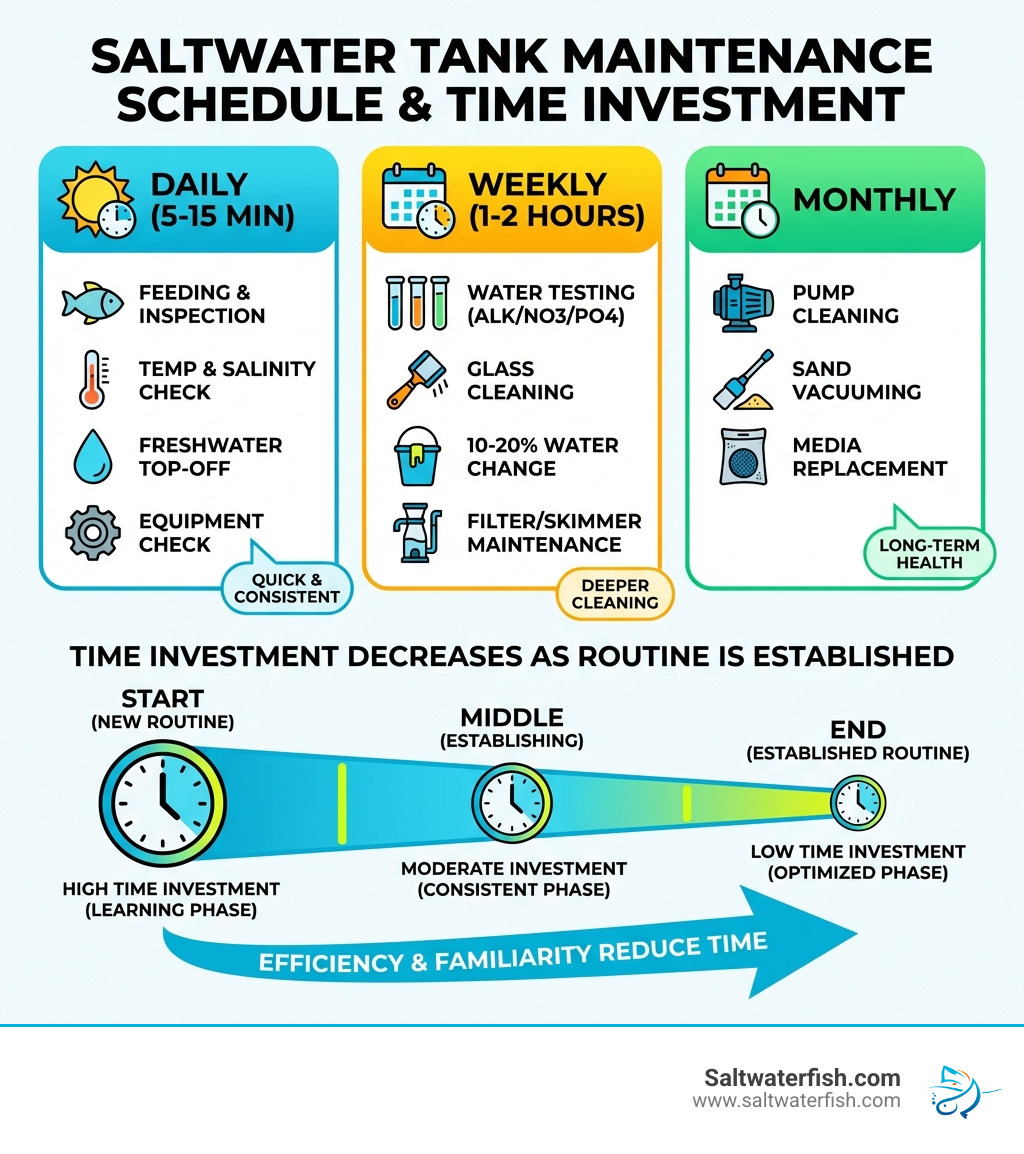
- Daily (5-15 min): Feed fish, check temperature/salinity, top off evaporated water, inspect livestock
- Weekly (1-2 hours): Test water parameters (alkalinity, nitrate, phosphate), clean glass, perform 10-20% water change, clean skimmer
- Monthly: Clean pumps/powerheads, replace filter media, vacuum sand bed, check equipment
- Key difference from freshwater: Salinity management and more stable water chemistry required
The research backs this up. On most days, experienced hobbyists spend no more than 15 minutes performing aquarium maintenance. Water changes—the most important maintenance task—typically involve removing just 10-25% of the water every two weeks. That's roughly 3 gallons for a 15-gallon system.
The real challenge isn't difficulty—it's consistency. Regular maintenance prevents problems before they start. A tank that receives weekly attention stays stable and healthy. A neglected tank becomes a crisis waiting to happen.
I'm Scott Hughes, founder of SaltwaterFish.com and owner of Deep Blue Seas, LLC. Over the years leading one of the largest online marine life retailers in the U.S., I've helped thousands of hobbyists master saltwater tank maintenance through proper education and quality livestock that thrives with consistent care. This guide will show you exactly what to do and when to do it.
Your Essential Saltwater Tank Maintenance Checklist
This section breaks down the core tasks into a manageable schedule, making the process less daunting for beginners and providing a solid routine for experienced hobbyists. As we've learned from countless hobbyists, including our own experiences, consistency is the bedrock of a thriving marine ecosystem.
Daily Tasks (5-15 Minutes)
These are your quick, essential checks that keep things running smoothly. Think of them as your morning coffee ritual for the tank! We've found that these daily habits, taking no more than 15 minutes, prevent small issues from becoming big problems.
- Feeding Fish and Livestock: We recommend feeding your fish and other inhabitants 2-3 times per day. Observe their appetite and ensure everyone gets enough without overfeeding, which can quickly foul your water.
- Visual Livestock Inspection: This is your chance to really enjoy your tank! Look closely at all your fish, corals, and invertebrates. Are they active? Are their colors vibrant? Are there any signs of stress, injury, or disease? Identifying issues early can save lives. For example, if you spot a snail on its back, gently turn it over to help it out.
- Check Water Temperature: Use a reliable, separate thermometer to verify your tank's temperature. Stable temperatures are vital. We aim for consistency and make minor adjustments if needed.
- Check Specific Gravity (Salinity): For reef tanks, consistent salinity is non-negotiable. A quick check helps us catch subtle deviations.
- Top Off with RO/DI Water: Only freshwater evaporates from your aquarium, leaving salts behind. To maintain stable salinity, we must replenish this lost water with purified RO/DI (Reverse Osmosis/Deionized) water. This is crucial for preventing salinity creep.
- Equipment Function Check: Do a quick visual and auditory check of all your essential equipment. Are your heaters, filtration systems, lighting, and protein skimmer running as expected? Listen for unusual noises and feel for any leaks or excessive heat. For protein skimmers, we empty and rinse the collection cup daily to ensure optimal performance and prevent overflows.
- Wipe Off Salt Creep: That crusty white residue you see on surfaces exposed to saltwater spray – that’s salt creep. It's not just unsightly; if it works its way into electrical outlets or cords, it can cause shorts. A quick daily wipe keeps it at bay.
Weekly Tasks
Now we dive a little deeper. These weekly tasks are where the bulk of your active saltwater tank maintenance will occur, typically taking 1-2 hours.
- Water Testing: This is where we truly understand our tank's health. For beginners, we highly recommend testing alkalinity, nitrate, and phosphate twice a week for the first 6 months to really get a feel for your system's dynamics. Once established, weekly testing is usually sufficient. We also check salinity and temperature again. Explore Test Kits at Saltwaterfish.com to find the right tools for accurate readings.
- Clean Aquarium Glass: Algae buildup on the glass is inevitable. We use an algae magnet or scraper to quickly remove it, keeping your view crystal clear. This also helps reduce nutrients available for nuisance algae.
- Water Change (10-20%): This is hands down the most impactful maintenance task you can perform. Water changes of 10-25% of the tank volume are mandatory for a healthy system. More frequent 10% water changes every two weeks are often even more effective, especially if your tank has been struggling. On average, we change about 20% of the water every two weeks. This removes accumulated nitrates, phosphates, and other dissolved organic compounds that filtration alone can't handle.
- Clean Protein Skimmer Neck: The protein skimmer is a workhorse, removing dissolved organic compounds before they break down. We clean the neck of the skimmer weekly to prevent buildup that can reduce its efficiency. If you neglect cleaning the skimmer cup on a regular basis, cleaning becomes far more difficult, not to mention the tank looks gross.
- Replace Filter Socks/Sponges: Mechanical filtration like filter socks, sponges, or pads capture physical debris. We replace or rinse these twice a week to prevent trapped detritus from breaking down and releasing nutrients back into the water.
Monthly & Bimonthly Tasks
These tasks occur less frequently but are equally important for the long-term health and stability of your aquarium.
- Clean Pumps and Powerheads: Over time, pumps and powerheads can accumulate algae and coralline growth, reducing their flow and efficiency. Every other month, we disassemble and clean them thoroughly to ensure optimal water circulation.
- Clean Heaters: Similar to pumps, heaters can get coated with buildup. We clean them gently to ensure they operate efficiently and prevent hot spots.
- Siphon Detritus from Sump/Clean Sand Bed: Waste accumulates in the sump or on the sand bed. We siphon out detritus from the sump and gently vacuum the sand bed at least twice a month. This removes trapped organic matter, preventing it from leaching nutrients into the water. For more on managing waste, you can Learn about detritus control on our site.
- Replace Chemical Media: Chemical filtration media like GFO (Granular Ferric Oxide) and activated carbon adsorb pollutants from the water. GFO is especially known for removing phosphate, a nutrient that fuels nuisance algae. We typically replace GFO every 4-6 weeks, or as indicated by our phosphate test results. Activated carbon should be replaced weekly if used, or at least monthly, as it can become saturated and "dump" adsorbed pollutants back into the water. For more specific guidance on controlling troublesome nutrients, you can Learn about phosphate removal.
Saltwater vs. Freshwater: Understanding the Key Differences
While all aquariums need care, saltwater systems have unique requirements. This section clarifies why saltwater tank maintenance is different, not necessarily harder. It's about understanding the specific needs of a marine environment.
| Aspect | Saltwater Aquarium Maintenance Toner Systems for different kinds of filtration, such as carbon, which is known for keeping water clear.
Why Salinity is Crucial
Evaporation causes only pure water to leave the tank, leaving the salt behind. If we top off with more saltwater, the salinity will continuously rise, stressing and eventually harming marine life. That's why we always use fresh RO/DI water for top-offs. Monitoring salinity with a refractometer is key. An Auto Top-Off (ATO) system automates the process of adding RO/DI water, making life significantly easier and ensuring consistent salinity.
The Importance of Stable Water Chemistry
For fish-only tanks, stability is still important, but for reef tanks with corals and other invertebrates, it's absolutely critical. Corals need specific elements like calcium, alkalinity, and magnesium to build their skeletons and grow. Fluctuations in these parameters cause stress and can lead to coral death. We often use dosing pumps to automatically add these elements, maintaining them within their optimal ranges. This helps maintain the buffering capacity of the water, resisting changes in pH.
Managing Water Quality: Parameters, Nutrients, and Filtration
A healthy tank is all about water quality. This section covers what to test for, why it matters, and how to remove the waste that degrades it. Consistent testing and effective nutrient management are the pillars of long-term success.

Key Water Parameters and Testing Frequency
Understanding and maintaining ideal water parameters is paramount. Here's what we focus on:
- Salinity (Specific Gravity): 1.024-1.026. Daily check, especially if manually topping off. A refractometer is essential.
- Temperature: 75-78°F. Daily check. Stability is more important than an exact number.
- Alkalinity (dKH): 7.5-11 dKH. Weekly for reef tanks, bi-weekly for fish-only. Crucial for pH stability and coral growth. Beginners should test twice a week for the first 6 months.
- Calcium (Ca): 400-450 ppm. Weekly for reef tanks, bi-weekly for fish-only. Essential for coral skeletal growth.
- Magnesium (Mg): 1250-1350 ppm. Monthly for reef tanks. Helps maintain proper calcium and alkalinity levels.
- Nitrate (NO3): <10 ppm for reef tanks, <20 ppm for fish-only. Weekly for new tanks/beginners, bi-weekly for established. A byproduct of the nitrogen cycle, excess leads to algae. Beginners should test twice a week for the first 6 months.
- Phosphate (PO4): <0.03 ppm for reef tanks, <0.1 ppm for fish-only. Weekly for new tanks/beginners, bi-weekly for established. Fuels nuisance algae growth. Beginners should test twice a week for the first 6 months.
- Ammonia (NH3/NH4) & Nitrite (NO2): 0 ppm. Daily during tank cycling. Once established, these should always be zero; if detectable, it indicates a serious problem.
Effective Nutrient Export Methods
Even with diligent feeding and cleaning, nutrients like nitrate and phosphate will accumulate. We employ several methods to export them:
- Protein Skimmers: Considered a "must-have" for most saltwater tanks, especially reef systems. Protein skimmers remove dissolved organic compounds (proteins) from the water before they break down into harmful nitrates and phosphates. They are incredibly efficient at nutrient export.
- Refugiums: A separate chamber in your sump dedicated to growing macroalgae (like Chaetomorpha) or housing beneficial invertebrates. Macroalgae consume nitrates and phosphates, effectively exporting these nutrients when we harvest the algae.
- Water Changes: As discussed, water changes are one of the most effective and direct ways to remove accumulated nutrients and replenish trace elements.
- Granular Ferric Oxide (GFO): This chemical media specifically adsorbs phosphate from the water. We use GFO in a media reactor or a filter bag to combat high phosphate levels and control nuisance algae. For a deeper dive into controlling this common problem, Learn about phosphate removal.
- Activated Carbon: While not primarily for nutrient export, activated carbon removes dissolved organic pollutants, odors, and discoloration, keeping your water crystal clear. It works by adsorption, trapping impurities within its porous structure. You can learn more about its properties and uses in marine aquariums by researching carbon as a chemical element.
Essential Gear and Automation for Easy Saltwater Tank Maintenance
The right tools make any job easier. This section details the must-have equipment and explores how automation can save you time and improve tank stability, turning potential chores into simple tasks.
Must-Have Maintenance Equipment
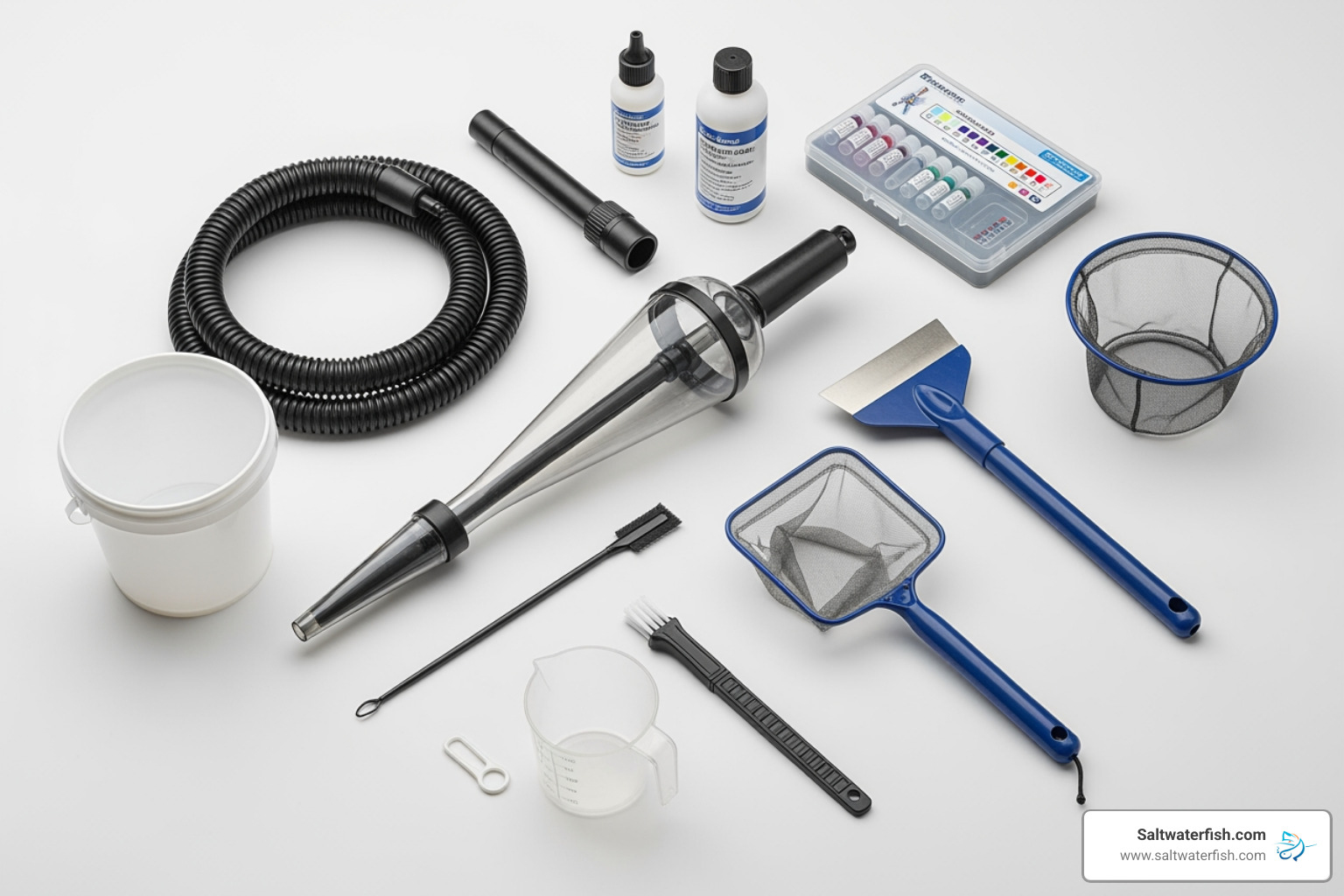
Investing in quality tools upfront will make your saltwater tank maintenance much more efficient and enjoyable.
- Gravel Vacuum/Siphon: Essential for cleaning the substrate and siphoning out dirty water during water changes. For sand beds, we gently stir the sand while siphoning to remove trapped detritus.
- Algae Scraper/Magnet: Keeps your viewing panes spotless. We prefer magnetic cleaners for daily use and scrapers for tougher spots.
- Dedicated Buckets: Have at least two or three buckets reserved only for aquarium use. We use sturdy Rubbermaid buckets for smaller tanks and larger Rubbermaid Roughneck trash cans for big water changes in our larger systems, sometimes even on a rolling dolly to make transport easier.
- Refractometer or Hydrometer: Absolutely critical for accurately measuring salinity. We calibrate our refractometers regularly for precise readings.
- Test Kits: High-quality test kits for all the key parameters (alkalinity, calcium, magnesium, nitrate, phosphate) are non-negotiable for informed maintenance.
- RO/DI Water System: Producing your own pure water is a game-changer. It ensures you have a consistent, clean source for top-offs and mixing saltwater, free from harmful chloramines, chlorine, heavy metals, and phosphates often found in tap water. Explore RO/DI Filters at Saltwaterfish.com to find a system that fits your needs.
- Submersible Pump: A 500gph (gallons per hour) or larger submersible pump can quickly move large volumes of water for water changes, making the process much faster and easier.
How Automation Simplifies Your Routine
Automation isn't just for advanced hobbyists; it can significantly reduce daily effort and improve tank stability for everyone.
- Auto Top-Off (ATO) Systems: These systems automatically detect when water has evaporated and add fresh RO/DI water from a reservoir. This maintains stable salinity and water levels, freeing you from daily manual top-offs.
- Dosing Pumps: For reef tanks, dosing pumps automatically add calcium, alkalinity, and magnesium supplements at precise intervals. This ensures consistent levels of these vital elements, which is crucial for coral health and growth, especially when corals are consuming them rapidly. Manual dosing is much less favorable due to the risk of forgetting or inconsistency.
- Automatic Feeders: While not a substitute for observation, automatic feeders can be useful for consistent small feedings or when you're away for a short period.
- Aquarium Controllers: These sophisticated devices can monitor and control various tank parameters and equipment, from temperature and pH to lighting and pump schedules. They can also send alerts if something goes wrong.
- Temperature Controllers: Paired with your heaters, a temperature controller maintains a precise temperature by turning heaters on and off. We often use two heaters and a controller as a fail-safe; if one heater fails, the other can kick in, and the controller can alert us to any temperature swings. Explore Temperature Controllers at Saltwaterfish.com for reliable options.
Common Mistakes and Advanced Care Tips
Learning from common pitfalls can save you time and stress. This section covers beginner errors and how maintenance needs evolve with different tank types. We've seen these mistakes made countless times, and avoiding them is key to success.
Top 5 Beginner Mistakes to Avoid
Many aspiring marine aquarists give up within the first year, often due to these common missteps. We want you to succeed, so pay close attention!
- Inconsistent Maintenance: This is the number one killer of saltwater tanks. Skipping water changes, neglecting testing, or ignoring equipment checks allows problems to snowball. Consistency is key! Your tank needs regular attention, not just crisis management.
- Overfeeding: It's tempting to spoil your fish, but overfeeding introduces excess nutrients into the water, leading to high nitrates, phosphates, and nuisance algae blooms. We recommend feeding small amounts 2-3 times a day, ensuring all food is consumed within a few minutes. Frozen food is often superior to pellets as it's higher in protein and less likely to pollute.
- Adding Livestock Too Quickly: Patience is a virtue in reef keeping. Introducing too many fish or corals at once can overwhelm your tank's biological filtration, leading to ammonia and nitrite spikes. We always recommend a slow, gradual approach, allowing your system to adapt to each new addition.
- Chasing Perfect Numbers: While target parameters are important, obsessively trying to hit exact numbers can lead to constant adjustments and instability, which is often more detrimental than slightly off-target but stable parameters. If your fish and corals look healthy and are thriving, a slight deviation in a parameter might not warrant drastic intervention.
- Using Tap Water Without Proper Treatment: Tap water contains chemicals like chlorine, chloramine, and often heavy metals and phosphates, all harmful to marine life. Always use an RO/DI system or properly condition tap water with a high-quality dechlorinator before adding it to your tank, especially for mixing saltwater.
Adjusting Maintenance for Your Tank Type
The specific demands of your tank will influence your saltwater tank maintenance routine.
- Fish-Only (FOWLR) Tanks: These tanks, featuring fish and live rock (and sometimes sand), are generally more forgiving than reef tanks. While water changes are still crucial for nutrient export, the need for precise calcium, alkalinity, and magnesium dosing is absent. Temperature and salinity stability remain important, but the parameters don't need to be as tightly controlled as for delicate corals. Focus on regular water changes, feeding, and keeping detritus low.
- Reef Tanks: Housing corals, anemones, and other invertebrates means a much stricter regimen. These organisms require specific lighting, stable water chemistry (calcium, alkalinity, magnesium), and often supplemental feeding. Dosing these elements is typically a daily requirement, often automated with dosing pumps. Lighting maintenance, including bulb replacement every 6-12 months for optimal intensity and spectrum, becomes a critical task for photosynthetic corals. The delicate balance of a reef ecosystem demands meticulous attention to detail and consistent monitoring of all parameters.
Conclusion: The Rewards of a Well-Maintained Aquarium
Consistent saltwater tank maintenance isn't a chore; it's an investment in a beautiful, thriving underwater world. The effort pays off with healthy livestock, stable equipment, and a stunning display you can be proud of.
The long-term benefits are immense:
- Equipment Longevity: Regular cleaning and checks ensure your pumps, skimmers, and heaters operate efficiently and last longer, saving you money in the long run.
- Fish and Coral Health: A stable environment with optimal water parameters directly translates to vibrant, healthy fish and thriving corals, free from stress and disease.
- Algae Prevention: Consistent nutrient export and cleaning keep nuisance algae at bay, allowing the beauty of your aquascape and inhabitants to shine through.
- Personal Enjoyment: There's immense satisfaction in observing a flourishing marine ecosystem that you've created and maintained. It's a peaceful, rewarding hobby that brings a piece of the ocean into your home or business in Vero Beach, Florida.
At Saltwaterfish.com, we've dedicated over 26 years to helping hobbyists like you succeed. Our expertise, combined with the largest and most reliable selection of saltwater fish, corals, and invertebrates, ensures you have the best foundation for your marine adventure. The journey of saltwater tank maintenance is one of learning and consistency, and with this guide, you're well-equipped to enjoy every moment of it.
Ready to start your journey? Explore our guide for beginners!