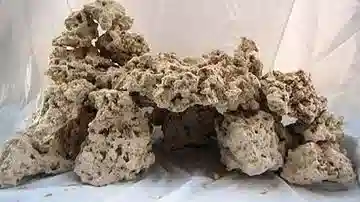
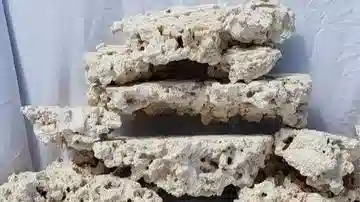
Live rock and live sand are full of beneficial organisms that create a healthy environment for your tank. Saltwaterfish.com has a great selection of live rock and live sand.
Live Rock and Sand are shipped using our heavily discounted FedEx rates to your location. Simply choose your speed and rate of delivery and pay only for the delivery services you require.
Please confirm your name and email address below.
We will contact you via email as soon as this product is
available.
Live Rock and Live Sand for Saltwater Aquariums
Live rock and reef rock help create the biological and structural foundation of a healthy saltwater aquarium. They provide natural surface area for beneficial bacteria, support filtration and nutrient processing, and form the aquascape that defines your tank's appearance and habitat.
At Saltwaterfish.com, this category centers on the rock products that modern reef and saltwater aquarists actually use: maricultured live rock, Reef Saver dry rock, and Ecoscape reef rock. Each plays a different role, and many hobbyists combine them to build aquascapes that are both biologically active and visually striking.
Live rock is the structural and biological core of most saltwater aquariums. It provides hiding places, grazing surfaces, territory for fish and invertebrates, and the porous surface area where beneficial bacteria colonize to help process waste. Dry reef rock and shaped Ecoscape rock add design flexibility, lower cost, and pest-free aquascaping options that work alongside or in place of traditional live rock.
Live rock and reef rock are especially important when setting up a new saltwater aquarium because they help establish the biological filtration needed to support marine life. They're also useful in established aquariums when adding new structure, improving aquascaping, or refreshing the look and function of the system.
Live rock and reef rock are shipped using our heavily discounted FedEx rates to your location. Simply choose your speed and rate of delivery and pay only for the delivery services you require.
Saltwaterfish.com inventory updates in real time, and availability may change throughout the day. Check this section often for maricultured live rock, Reef Saver dry rock, Ecoscape reef rock, and aquascaping materials.
Why Use Live Rock in a Saltwater Aquarium?
Live rock is one of the most useful and natural materials for building a saltwater aquarium. It helps create structure, habitat, and biological filtration within the system. Live rock may help:
Provide surface area for beneficial bacteria
Support natural biological filtration
Create hiding places and territory for fish
Add structure for reef aquascaping
Provide grazing surfaces for some fish and invertebrates
Create a more natural reef appearance
Support biodiversity in the aquarium
The shape, density, and layout of your rockwork can affect water flow, fish behavior, coral placement, and the overall appearance of the aquarium.
Types of Live Rock and Reef Rock at Saltwaterfish.com
Saltwaterfish.com focuses on three rock products that cover the range of modern aquascaping needs — from a fully biological start with real coralline algae and microfauna, to clean pest-free dry rock, to precisely shaped pieces for designed reef structures.
Maricultured Live Rock
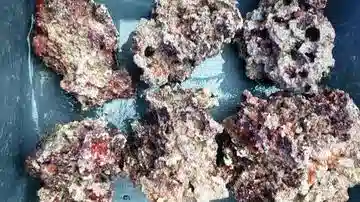
Maricultured live rock is rock that has been placed in ocean farms or controlled tropical saltwater systems and allowed to develop natural reef life before being harvested for the aquarium trade. Unlike wild-collected rock, maricultured rock is produced sustainably without removing material from active wild reefs.
What sets maricultured rock apart:
Real living biodiversity — coralline algae, beneficial bacteria, microfauna, and sometimes small invertebrates already established on the rock
Sustainable origin — farmed rather than wild-harvested
Pre-conditioned for marine aquariums — already adapted to saltwater conditions
Helps seed new tanks — introduces beneficial bacteria and microfauna from day one
Often features natural shapes and structures with branching forms, holes, and ledges
Maricultured live rock is the closest thing to instant biological maturity for a new saltwater aquarium. It's especially valuable for hobbyists who want to shorten the cycling process, introduce diverse microfauna, or build an aquascape with real reef character from day one.
Reef Saver Dry Rock
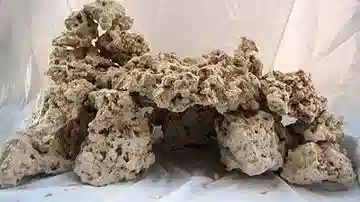
Reef Saver dry rock is pre-cleaned, dry reef rock from CaribSea. It's quarried from ancient land-based reef deposits — material that was once part of a living reef millions of years ago — and arrives at your door bone-dry, pest-free, and ready to aquascape.
Why Reef Saver has become one of the most popular foundations in the modern reef hobby:
Light and porous — extensive interior surface area for bacteria once it becomes live
Pest-free and controlled — no hitchhikers, no Aiptasia, no unwanted starfish or worms
Easy to aquascape outside the tank — dry build means you can take your time, use epoxy or putty, and dry-fit before adding water
Becomes biologically active over time — bacteria colonize within weeks, microfauna and coralline algae populate over months
Lower cost than live rock at most price points
Reef Saver pairs beautifully with maricultured live rock — using mostly dry rock for the bulk of the aquascape with a few pieces of live rock to seed the system is one of the most popular modern reef-building approaches.
Ecoscape Reef Rock
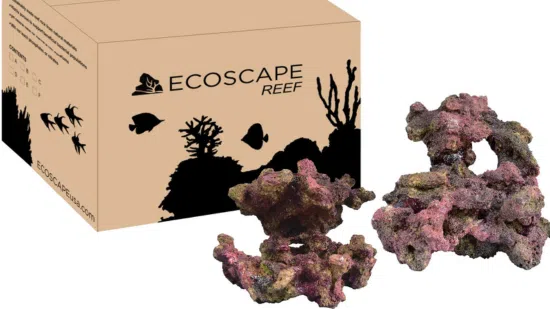
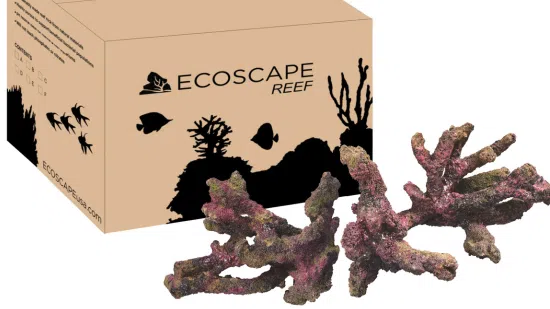
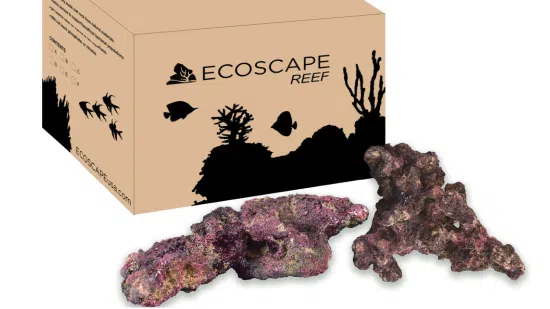
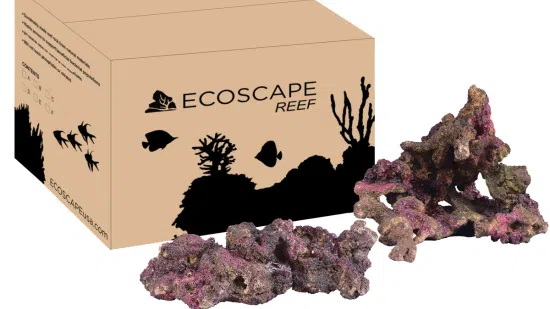
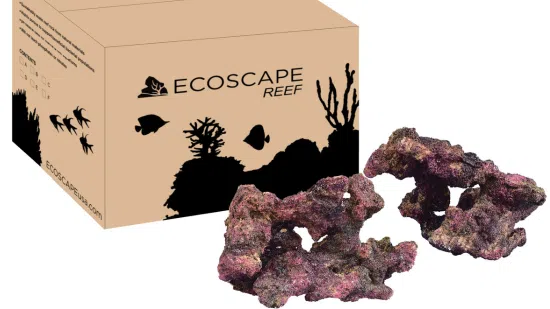
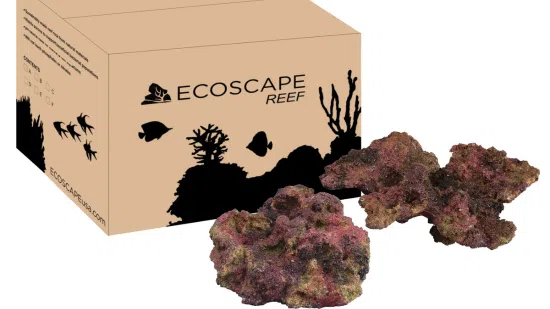
Ecoscape reef rock is a brand of shaped reef rock designed specifically for precise aquascaping. Where traditional live and dry rock pieces have natural — sometimes inconvenient — shapes, Ecoscape pieces are made in specific forms that let you build complex aquascape structures by design rather than by luck.
What makes Ecoscape useful:
Designed shapes — branches, arches, columns, shelves, and other forms that allow specific structural designs
Lighter than natural rock — reduces shipping weight and total tank load
Pest-free — like dry rock, arrives clean and ready
Compatible with other rock — combines well with maricultured live rock and Reef Saver dry rock in hybrid scapes
Becomes biologically active once placed in a cycled aquarium
Ecoscape is particularly useful when you want to build floating shelves, arches, overhangs, or coral mounting points that would be difficult or impossible with natural rock shapes alone.
Live Rock and Reef Rock for New Saltwater Aquariums
Live rock and reef rock are often the first major purchase for a new saltwater aquarium because they help establish the tank's biological foundation. Beneficial bacteria living on rock help process waste produced by fish, invertebrates, and uneaten food.
A new aquarium still needs to cycle properly before adding sensitive marine life. Testing ammonia, nitrite, nitrate, salinity, and temperature is important during this process. Maricultured live rock can help speed the cycling process by introducing beneficial bacteria, while dry rock and Ecoscape rock become biologically active over time as bacteria colonize. Either way, patience, testing, and careful stocking remain essential.
Aquascaping with Live Rock and Reef Rock
Aquascaping is the process of arranging rockwork inside the aquarium. A good rock layout should look natural while also providing good water movement, stable structure, and enough open swimming space for fish. When aquascaping, consider:
Creating caves, ledges, and hiding places
Leaving open space for fish to swim
Allowing water to flow around and behind rockwork
Building a stable structure that will not shift
Planning future coral placement if the tank is a reef aquarium
Avoiding rock piles that trap excess detritus
Using shaped pieces like Ecoscape for specific structural goals
Dry rock and Ecoscape make aquascaping easier because you can dry-fit the layout, use reef-safe epoxy or putty to bond pieces, and rebuild the structure as many times as needed before adding water.
Choosing the Right Rock for Your Aquarium
The best rock for your aquarium depends on your tank size, livestock plan, aquascaping style, budget, and whether you're setting up a reef tank or fish-only system. When choosing, consider:
Aquarium size and footprint
Desired aquascape height and shape
Whether you want immediate biological life (maricultured) or a controlled pest-free start (Reef Saver, Ecoscape)
Fish and invertebrate behavior
Water flow and filtration
Coral placement plans
Shipping speed and delivery needs
Many modern reef builders combine maricultured live rock, Reef Saver dry rock, and Ecoscape pieces in a single aquascape — getting the biological head start of live rock, the pest-free predictability of dry rock, and the structural flexibility of shaped reef rock all at once.
About Live Sand
Live sand is marine aquarium sand that contains beneficial bacteria and microscopic organisms. It's commonly used as substrate in saltwater aquariums and reef tanks, where it supports biological filtration, provides habitat for sand-sifting animals, and creates a natural ocean-floor appearance.
While Saltwaterfish.com's category currently focuses on live rock and reef rock products, hobbyists working on full system builds will often pair their rock selection with appropriate substrate from their preferred source. For most reef and fish-only tanks, a 1–2 inch sand bed works well, though some advanced builds use deeper sand beds for biological filtration and others use bare-bottom designs for SPS-dominant systems.
Live Rock & Reef Rock: FAQ
Live rock is reef-style rock that contains or supports beneficial marine bacteria, microfauna, and often visible reef life like coralline algae. The rock itself is inert calcium carbonate — what makes it "live" are the organisms living on and inside it.
What live rock provides:
Biological surface area for nitrifying bacteria
Natural reef structure for aquascaping
Hiding places and territory for fish and invertebrates
Grazing surfaces for tangs, blennies, and other algae feeders
Microfauna habitat — copepods, amphipods, and other beneficial life
Bottom line: Live rock is the structural and biological foundation of most saltwater aquariums — it handles the visible aquascaping and the invisible filtration work simultaneously.
Maricultured live rock is rock that's been placed in ocean farms or controlled tropical saltwater systems and allowed to develop natural reef life — coralline algae, beneficial bacteria, microfauna — before being harvested for the aquarium trade.
Why maricultured rock is valuable:
Sustainably produced — farmed rather than wild-harvested from natural reefs
Real biological life — coralline algae, copepods, beneficial bacteria, and other reef organisms already present
Pre-conditioned for aquarium use — already living in saltwater conditions before it ships
Helps seed new tanks — introduces biodiversity from day one
Often shortens cycling time by bringing established bacterial colonies
Maricultured rock is often considered the gold standard for hobbyists who want an immediate biological foundation and natural reef character in their aquarium.
Bottom line: If you want real coralline algae, microfauna, and active biology from day one — and you want to support sustainable sourcing — maricultured live rock is the choice.
Reef Saver dry rock is pre-cleaned, dry reef rock from CaribSea. It's quarried from ancient land-based reef deposits in Florida — material that was part of a living reef millions of years ago — and arrives bone-dry, pest-free, and ready to aquascape.
Why Reef Saver became a modern hobby favorite:
Light and highly porous — massive interior surface area for bacteria once it becomes biologically active
Pest-free — no hitchhiker crabs, mantis shrimp, Aiptasia, or pest worms
Easy to aquascape outside the tank — dry-fit, glue, and rebuild as many times as needed
Natural reef appearance — porous, sculpted shapes that look like genuine reef structure
Lower cost than live rock at most price points
Becomes biologically active over weeks and months as bacteria and coralline colonize
Most modern reef tank builds use Reef Saver as the bulk of the aquascape, sometimes paired with a few pieces of maricultured live rock to speed up the biological seeding process.
Bottom line: Reef Saver gives you a clean, controlled, pest-free foundation that becomes biologically active over time — the smartest starting point for many new reef tanks.
Ecoscape reef rock is a brand of shaped reef rock designed for precise aquascaping. Where natural rock comes in whatever shape the ocean produced, Ecoscape pieces are made in specific forms — branches, arches, columns, shelves — that let you build complex aquascape structures by design.
What makes Ecoscape worth considering:
Designed shapes for structures that would be hard or impossible to build with natural rock alone
Lighter than natural rock — reduces shipping weight and total tank load
Pest-free — arrives clean and ready, like dry rock
Combines well with other rock — pairs naturally with maricultured live rock and Reef Saver dry rock
Excellent for floating shelves, arches, and overhangs — design features that natural rock can't easily replicate
Becomes biologically active once placed in a cycled aquarium
Ecoscape is particularly popular for builders who want to create open swimming space, defined coral mounting points, or dramatic vertical structures.
Bottom line: If your aquascape vision involves arches, branches, or floating shelves, Ecoscape gives you the structural pieces to design exactly what you want.
Live sand is marine aquarium sand that contains beneficial bacteria and microscopic organisms. It's used as substrate in saltwater aquariums and reef tanks, where it supports biological filtration and creates a natural ocean-floor appearance.
What makes sand "live":
Beneficial nitrifying bacteria established on the grains
Microscopic invertebrates and microfauna that support a healthier substrate
Pre-conditioned for marine use — typically packaged in saltwater or moist conditions
Live sand serves both functional and aesthetic roles — supporting biological filtration while creating the natural ocean-floor look that defines a marine aquarium. Dry aragonite sand can also be used in saltwater tanks and becomes biologically active over time once placed in a cycled system.
Bottom line: Live sand and dry sand both work in saltwater aquariums; the choice usually comes down to budget and how fast you want biological activity in your substrate.
Live rock plays multiple roles in a saltwater aquarium — many of which can't be replicated by equipment alone.
Core reasons to use live rock:
Biological filtration — porous structure hosts beneficial bacteria that process ammonia and nitrite
Natural reef structure for aquascaping caves, ledges, and arches
Hiding places that reduce fish stress and aggression
Habitat for invertebrates — copepods, amphipods, and other beneficial microfauna
Grazing surfaces for algae-eating fish
Coral mounting points in reef tanks
Authentic reef appearance in the finished display
Bottom line: Live rock combines structural and biological roles in a single material — which is why it remains the foundation of most saltwater aquariums.
Yes — maricultured live rock can significantly support the cycling process by introducing beneficial bacteria and providing the surface area they need to colonize.
How live rock helps a new tank cycle:
Pre-existing bacteria seed the new system
Porous structure dramatically increases biological surface area
May shorten cycle time compared with starting from completely dry rock
Helps stabilize parameters earlier in the tank's life
Reef Saver dry rock and Ecoscape rock also support cycling once placed in a saltwater system, though they need time for bacteria to colonize the surface — typically weeks rather than days.
That said, no rock eliminates the need to cycle properly. You still need to:
Test ammonia, nitrite, and nitrate regularly
Wait until ammonia and nitrite read zero before adding livestock
Stock slowly to give the biological filter time to scale
Bottom line: Live rock gives your cycle a head start, but it doesn't replace patience and testing.
There's no single right number. The amount of rock depends on several factors specific to your tank and your design goals.
Variables that determine how much rock you need:
Aquarium size — larger tanks support more rock
Aquascaping goals — minimalist vs. full reef structure
Filtration capacity — strong external filtration reduces the rock-as-filter requirement
Livestock plan — more fish often means more biological load to handle
Rock density — porous rock like Reef Saver provides more surface area per pound than dense rock
Common approaches:
Traditional rule of thumb — 1 to 1.5 pounds per gallon (varies widely by rock density)
Modern minimalist scaping — less rock, more open swimming space
Filtration-driven systems — rely on equipment, use rock primarily for aesthetics and structure
What matters most is creating stable structure, enough biological surface area, and good water flow around and behind the rockwork.
Bottom line: Use enough to build the aquascape you want and support your bioload — not so much that it crowds the tank or traps detritus.
Yes — and it's a great idea. Live rock and reef rock work just as well in fish-only saltwater aquariums (FOWLR — "Fish Only With Live Rock") as they do in reef tanks.
Benefits of rock in fish-only systems:
Biological filtration — supports the higher bioload of fish-focused tanks
Hiding places that reduce stress, especially for shy or territorial species
Natural reef appearance without the cost of corals
Territory definition for fish that need clear boundaries
Grazing surfaces for tangs and other algae feeders
The aquascape can be different in fish-only tanks — taller structures, larger caves, and more open swimming space — because you don't need coral placement zones.
Bottom line: Rock is not a reef-tank-only material. It belongs in almost every saltwater aquarium, regardless of whether you keep corals.
Yes — rock is the foundation of nearly every reef aquarium. Maricultured live rock, Reef Saver dry rock, and Ecoscape reef rock all play important roles in reef tank construction.
What rock does in a reef tank:
Creates coral mounting points on ledges, peaks, and faces
Provides biological filtration to support sensitive reef livestock
Builds aquascape structure for caves and overhangs
Hosts microfauna that feed corals, fish, and inverts
Defines flow zones for different coral types
Reef aquascaping often emphasizes open swimming space, flow channels, and varied light zones to give different coral types appropriate placement options.
Bottom line: A well-built aquascape is the literal foundation of a great reef tank — plan it carefully because it's hard to change later.
Yes, but carefully. Adding maricultured live rock to an established aquarium can introduce ammonia spikes if the rock has any die-off during shipping or transition.
Best practices for adding rock to an established tank:
Inspect the rock on arrival — look for obvious die-off or strong odors
Consider curing live rock in a separate container if there's significant die-off
Add gradually rather than all at once when possible
Monitor ammonia, nitrite, and nitrate for at least a week after adding
Watch livestock closely for signs of stress
Keep extra water-change supplies ready in case parameters spike
Dry rock and Ecoscape pieces are easier to add to established tanks because there's no die-off concern — just rinse and place carefully.
Bottom line: Adding rock to a working system is doable and often beneficial — just plan around the small risk of die-off if you're adding maricultured live rock, and have test kits ready.
Live rock itself does not require light to support biological filtration. The beneficial bacteria that process ammonia and nitrite work just fine in the dark.
Where lighting does matter:
Photosynthetic life on the rock — coralline algae, polyps, and other photosynthetic hitchhikers need light
Reef tank corals — lighting is usually chosen for the corals, not the rock
Algae growth — both desirable (coralline) and undesirable (hair, slime) react to light levels
Tank appearance — appropriate lighting makes the rock look better
In fish-only systems, simpler lighting is often sufficient. In reef tanks, lighting is selected for the corals you plan to keep — the rock benefits as a side effect, with coralline algae often spreading across reef-lit rockwork over time.
Bottom line: Rock itself doesn't care about light — but the photosynthetic life growing on it does, and that life is part of what makes a reef tank look like a reef tank.
Neither is universally "better" — they serve different purposes, and the most successful modern reef builds often combine both.
Maricultured live rock advantages:
Introduces beneficial bacteria and microfauna immediately
Brings biodiversity — coralline algae, copepods, and other beneficial life
Often shortens cycle time for a new tank
Natural reef appearance from day one
Reef Saver dry rock advantages:
No hitchhikers — controlled, pest-free start
Easier to aquascape outside the tank before adding water
No die-off concerns during shipping
Lower initial cost in most cases
Becomes biologically active over time as bacteria colonize
Ecoscape reef rock advantages:
Designed shapes for precise aquascape structures
Lighter weight than natural rock
Pest-free like dry rock
A common modern approach uses mostly Reef Saver dry rock for the bulk of the aquascape, with a few pieces of maricultured live rock to seed the system, and Ecoscape pieces where specific structural shapes are needed — getting the benefits of all three.
Bottom line: The smartest answer isn't choosing between live and dry — it's combining them to match your goals.
Live rock and reef rock are shipped using Saltwaterfish.com's heavily discounted FedEx rates. Customers choose the delivery speed and rate that best matches their location, budget, and delivery needs.
How shipping works for rock products:
Multiple speed options — choose what works best for your timing
Discounted FedEx rates negotiated for these heavier shipments
Pay only for what you need — no forced premium shipping
Tracking provided so you can plan your arrival
Faster shipping speeds reduce the risk of die-off during transit for maricultured live rock with active organisms. Dry rock and Ecoscape products have no die-off concerns, so shipping speed for those is purely about how soon you want to start your build.
Bottom line: Pick the shipping speed that matches your project timing and the type of rock you're ordering.
Saltwaterfish.com inventory updates in real time, and availability may change throughout the day as new shipments arrive and customers place orders.
Check this category often for:
Maricultured live rock in various shapes and sizes
Reef Saver dry rock from CaribSea
Ecoscape reef rock in branches, arches, columns, shelves, and other forms
Aquascaping materials for natural marine displays
Availability shifts with shipping schedules, sourcing conditions, and seasonal demand — so checking back often is the best way to catch the rock that fits your aquascape vision.
Bottom line: Bookmark the category and check back regularly — inventory changes continuously as new rock arrives.